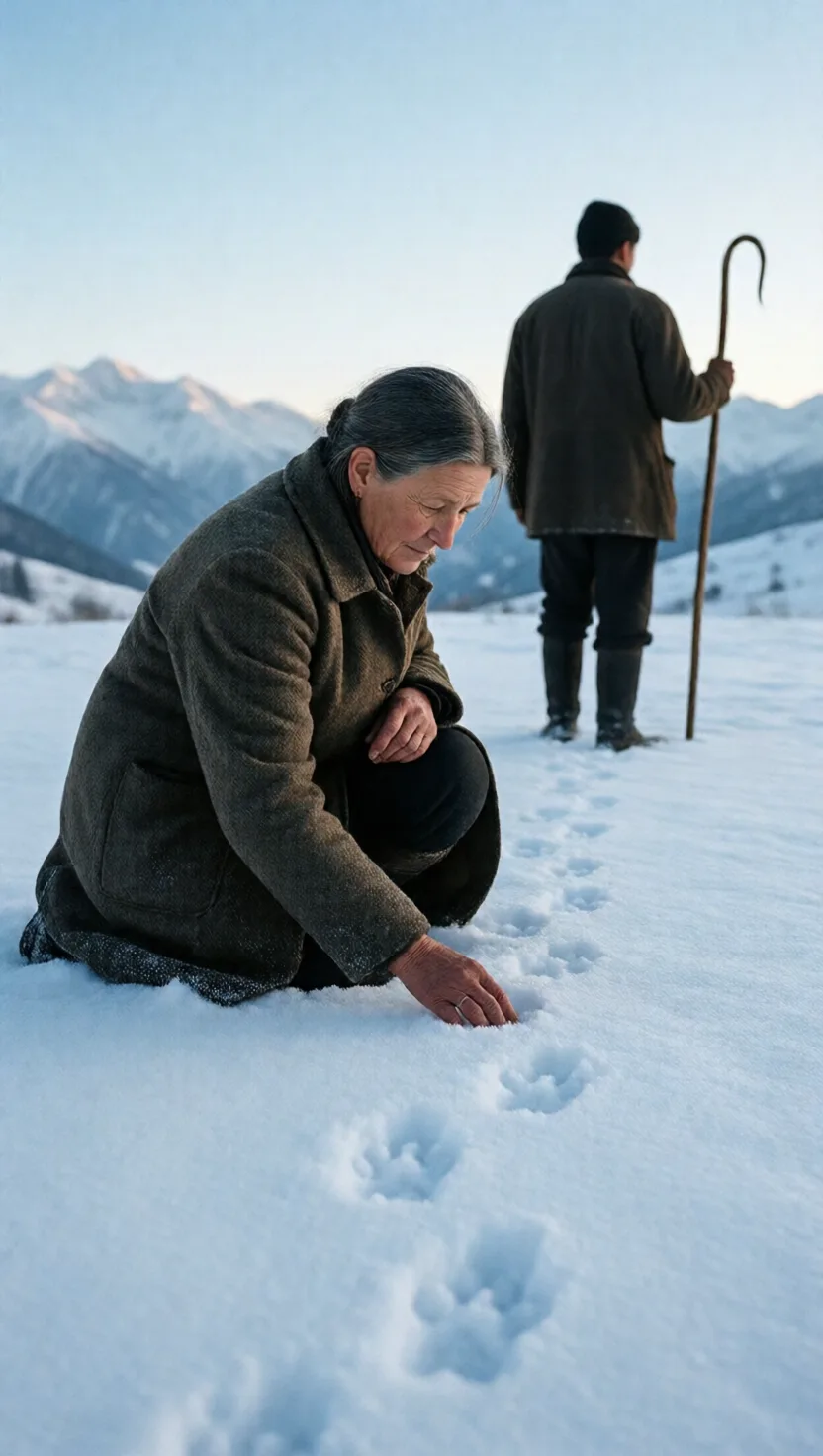
Three suspects, one line of prints in the snow.

SRC·109 Source
Something crossed the high pasture last night

Something crossed the high pasture last night

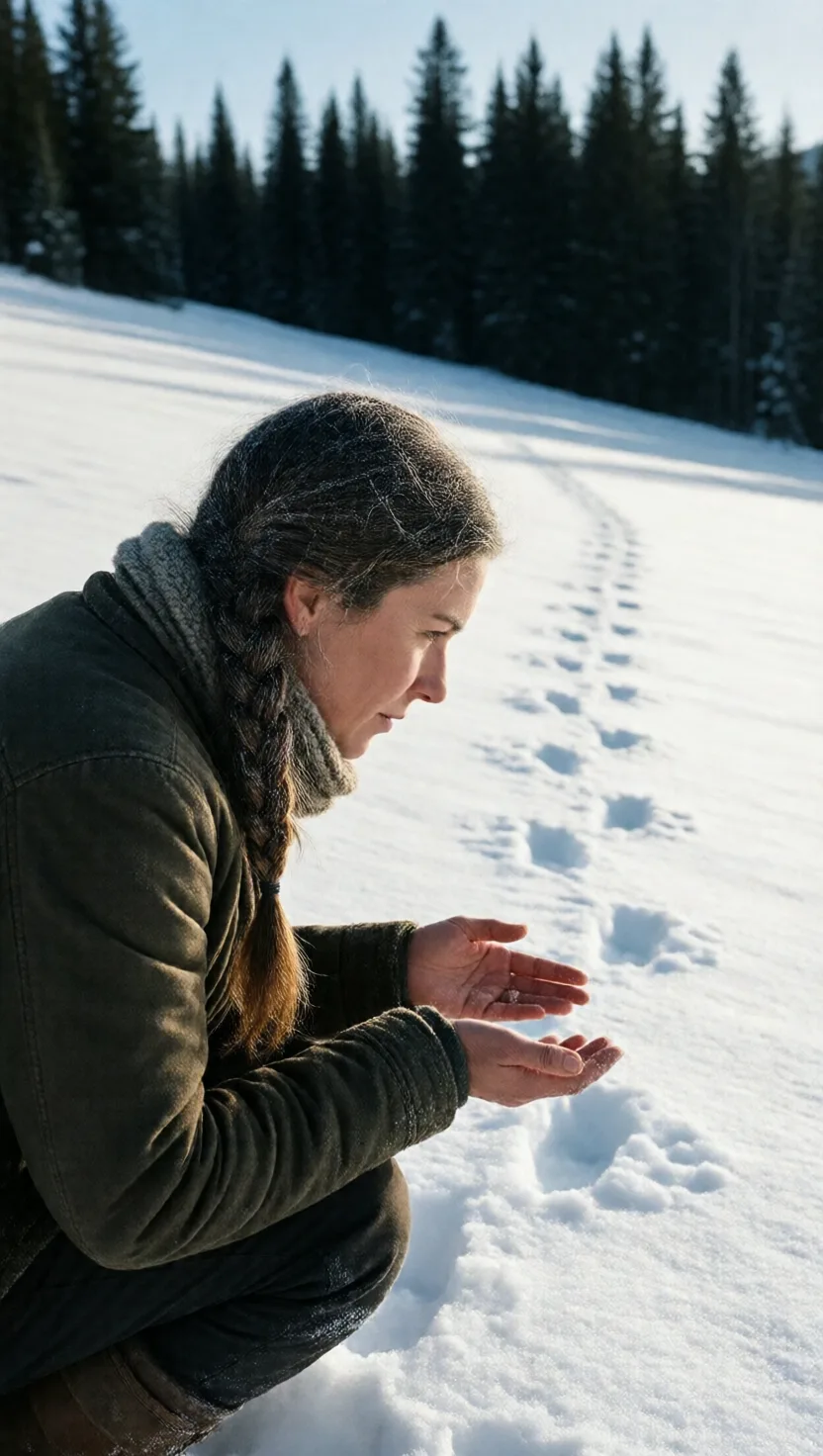
The snow tells it plainly: a single line of prints climbing the high pasture, punched deep, dead straight. The shepherd boy has already decided — 'dogs are everywhere, so it's a dog.' The tracker kneels without answering. She is not going to ask which animal is most common here. She is about to ask the question backwards.
Don't judge the animal — audition it

Don't judge the animal — audition it

Her method: take each suspect — fox, lone wolf, dog gone feral — and let it walk this slope in her mind. Then ask a single question: if it had been you, how surprising would these exact prints be? Not which story sounds best. Which story makes the evidence ordinary. She starts with the fox…
Under the fox, this snow is a miracle

Under the fox, this snow is a miracle

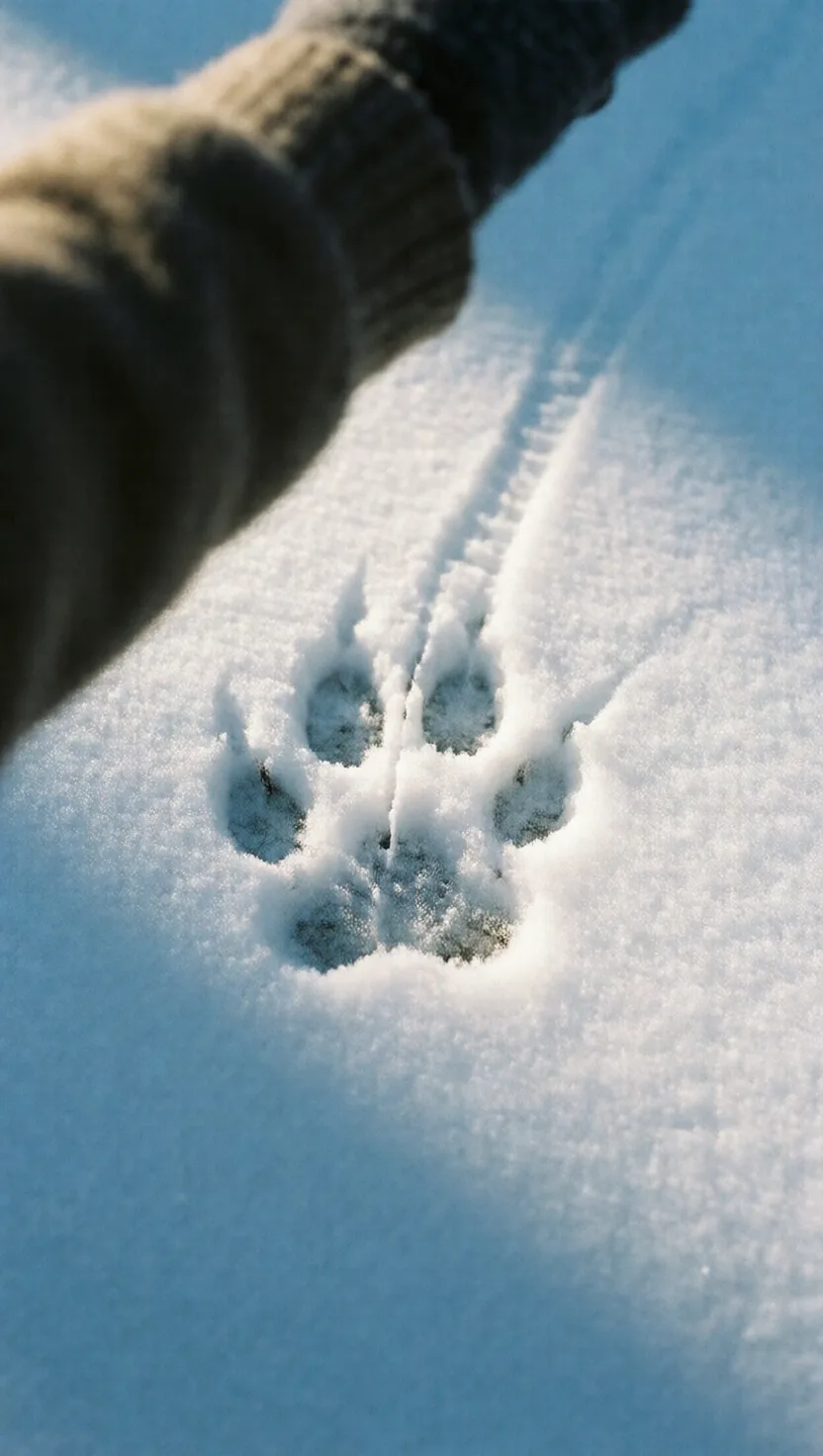
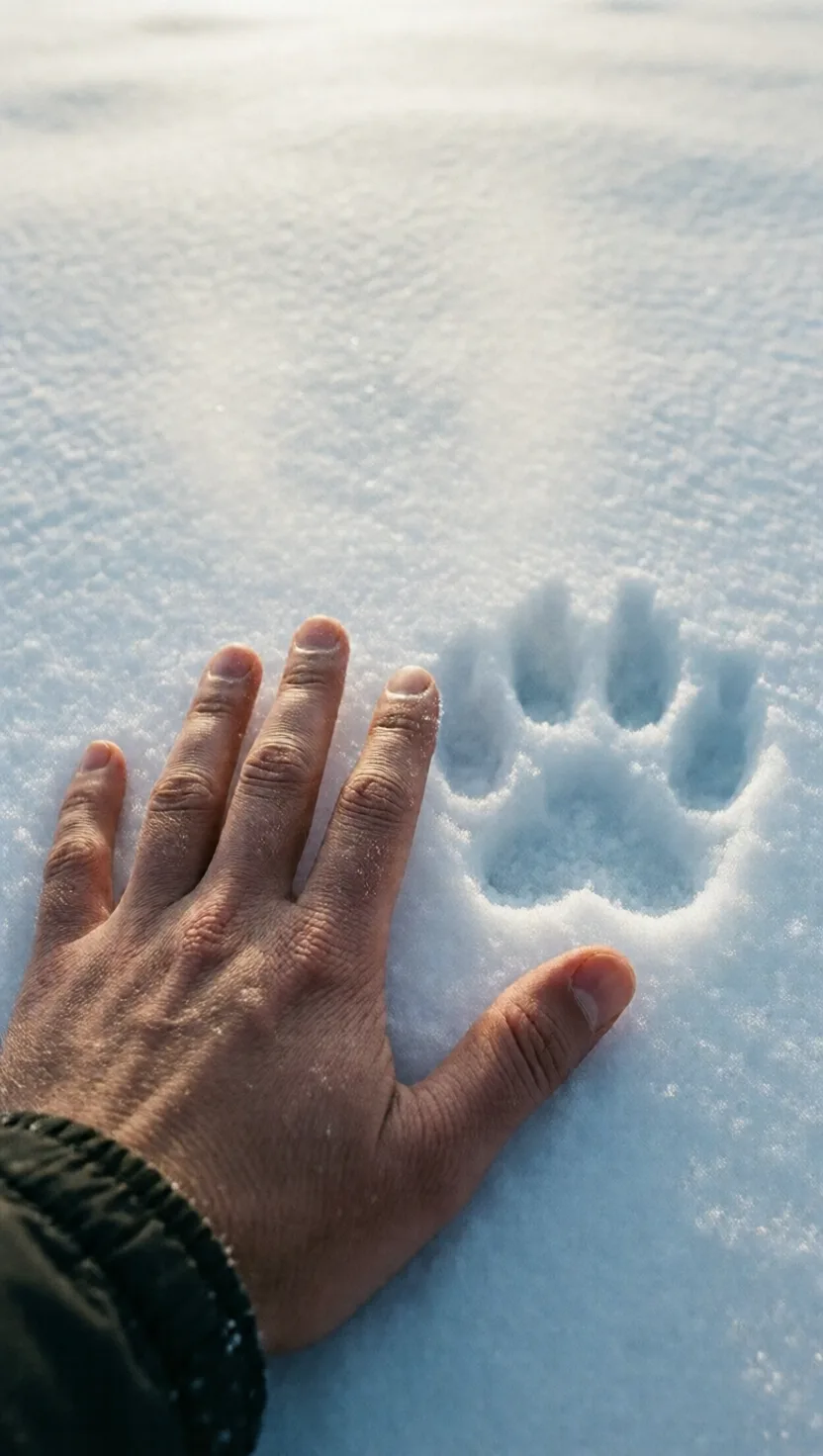
She lays her hand beside a print. For a fox, this depth would take an animal of absurd weight, and this stride a creature bounding flat-out all night. Possible? Barely. Under 'fox', the snow in front of her becomes a freak event — almost impossible. She drops the fox, not because foxes are rare, but because the fox makes what she actually sees absurd. Two suspects left…
The dog needs excuses. The wolf needs none.

The dog needs excuses. The wolf needs none.

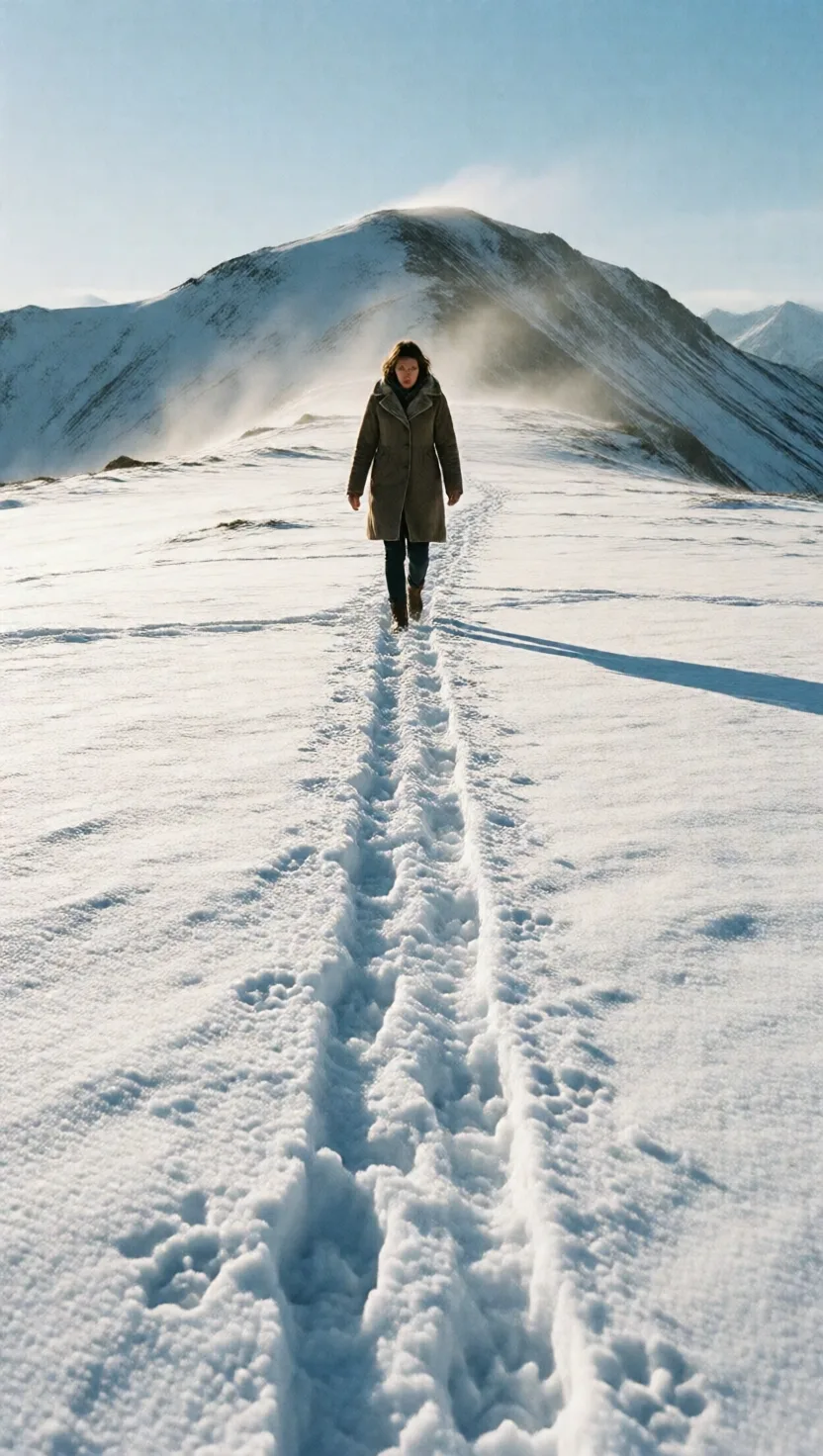
Dog and wolf could both cut this stride. The details split them. The line runs arrow-straight for a mile — no loops, no side-trips to sniff at burrows. A dog wanders; a dog holding this line would be odd. A hungry winter wolf saving every step? Ordinary. Under 'dog' she must excuse one detail after another; under 'wolf', nothing needs excusing. And small excuses have a way of piling up…
A hundred prints, and every one gets a vote

A hundred prints, and every one gets a vote

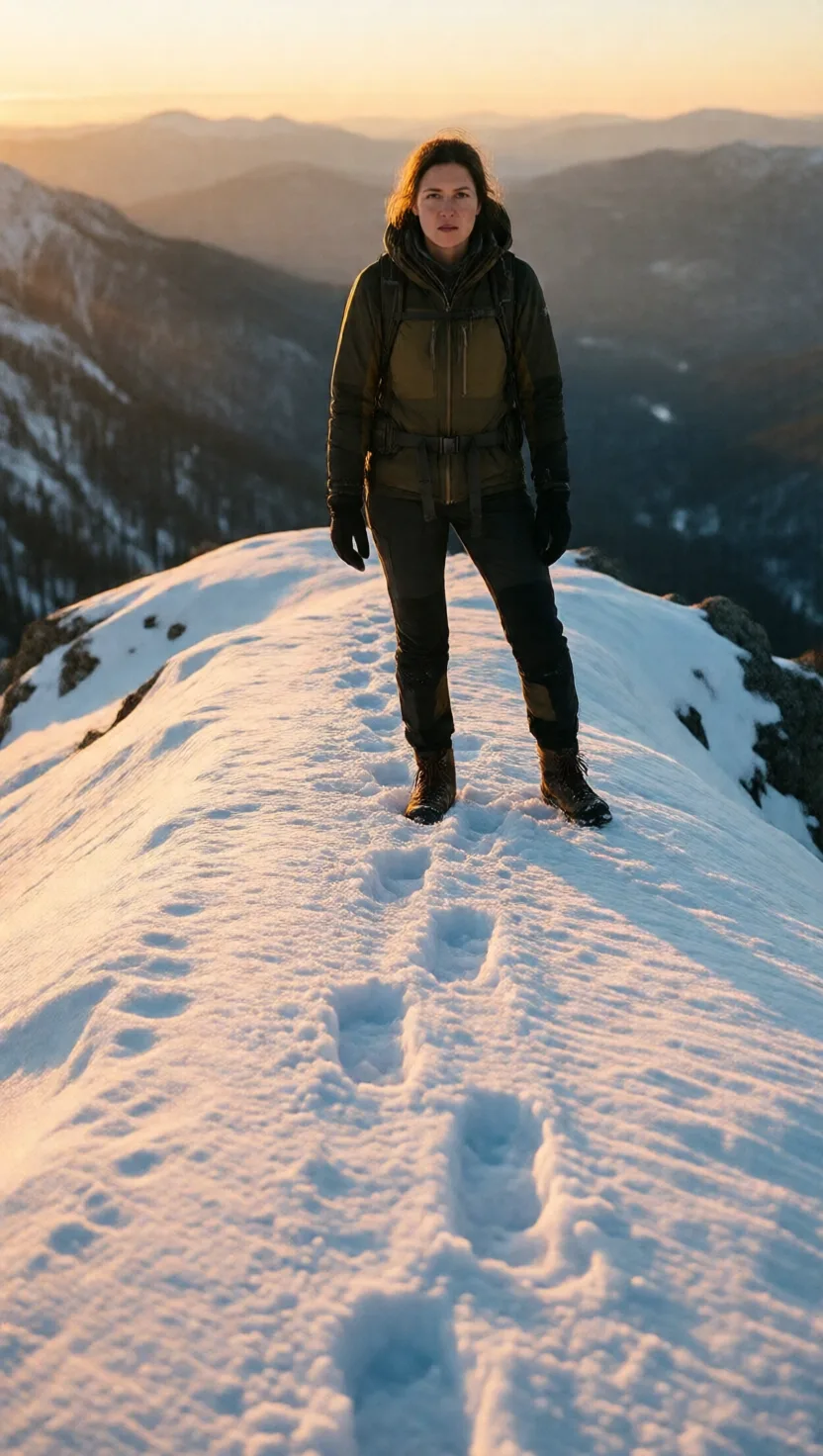
She follows the line uphill, and here is the quiet heart of it: every print is a fresh question the suspect must answer. A story that is only a little surprised at each step becomes astronomically surprised over a hundred steps — small doubts multiply. By the ridge, 'dog' owes the snow a thousand excuses and 'wolf' owes none. She has her answer. Better: she has a method…
Keep the story that makes what you saw ordinary

Keep the story that makes what you saw ordinary

θ^=argmaxθ  p(dataθ)\hat{\theta} = \arg\max_{\theta}\; p(\text{data} \mid \theta)
Her rule has a name: maximum likelihood. Score every candidate explanation by how probable it makes what you actually observed, and keep the one under which the evidence is least surprising. The equation says only that: sweep the candidates θ, keep the champion. It is how learning machines set millions of knobs — choosing the settings that make their training examples ordinary.
🌱 Should the valley get a vote?

🌱 Should the valley get a vote?

Walking home she chews on the boy's point. Wolves are rare in this valley — shouldn't that count for something? The snow says wolf; ten quiet years of valley memory whisper dog. When should what you already believed be allowed to bend what the evidence says — and how far should it bend before the evidence wins?
tap →swipe ↑ for depthswipe ↓ to exit