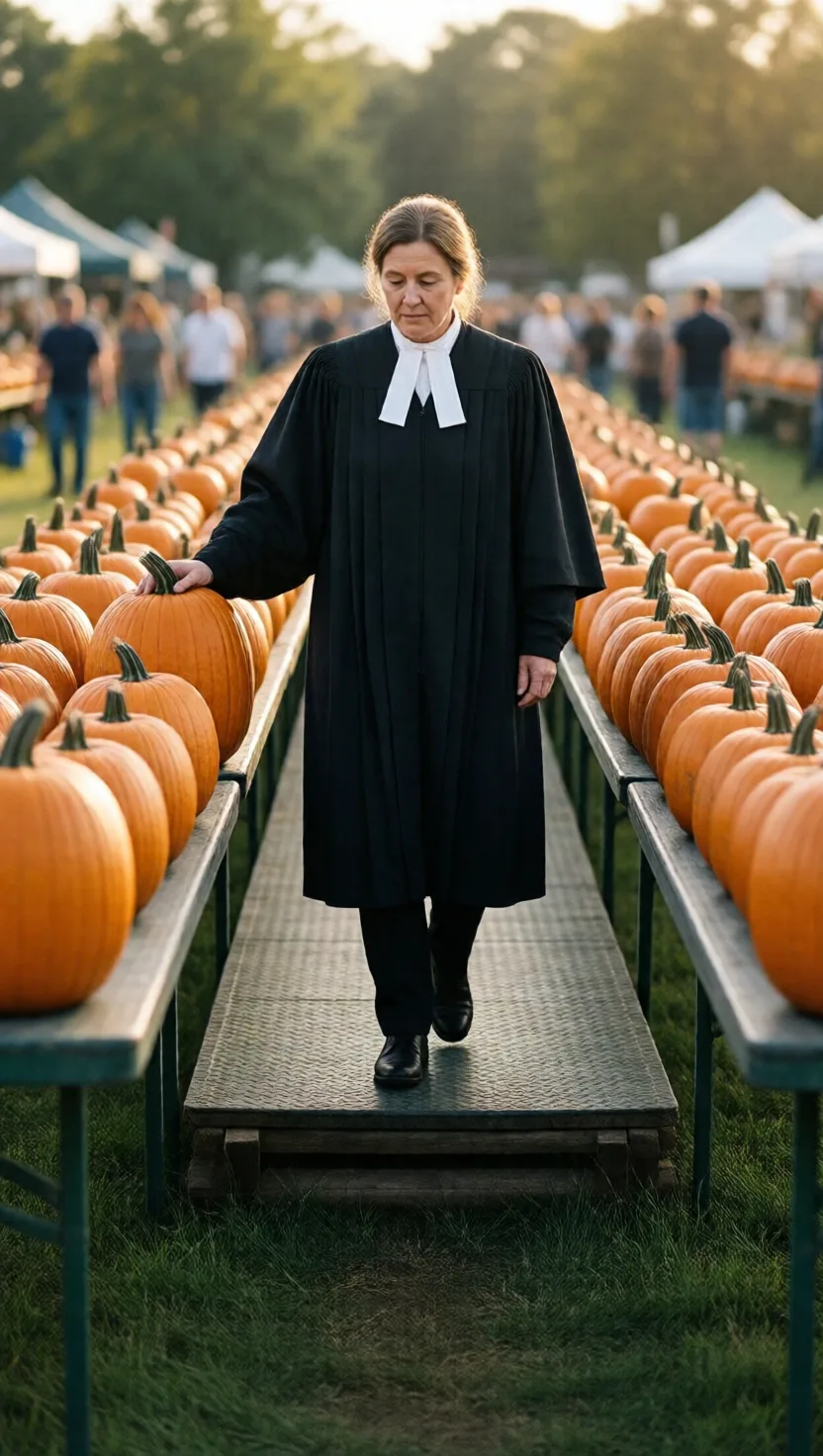
The judge who let a pie beat a pumpkin.

SRC·102 Source
One champion, three contests that share no language

One champion, three contests that share no language

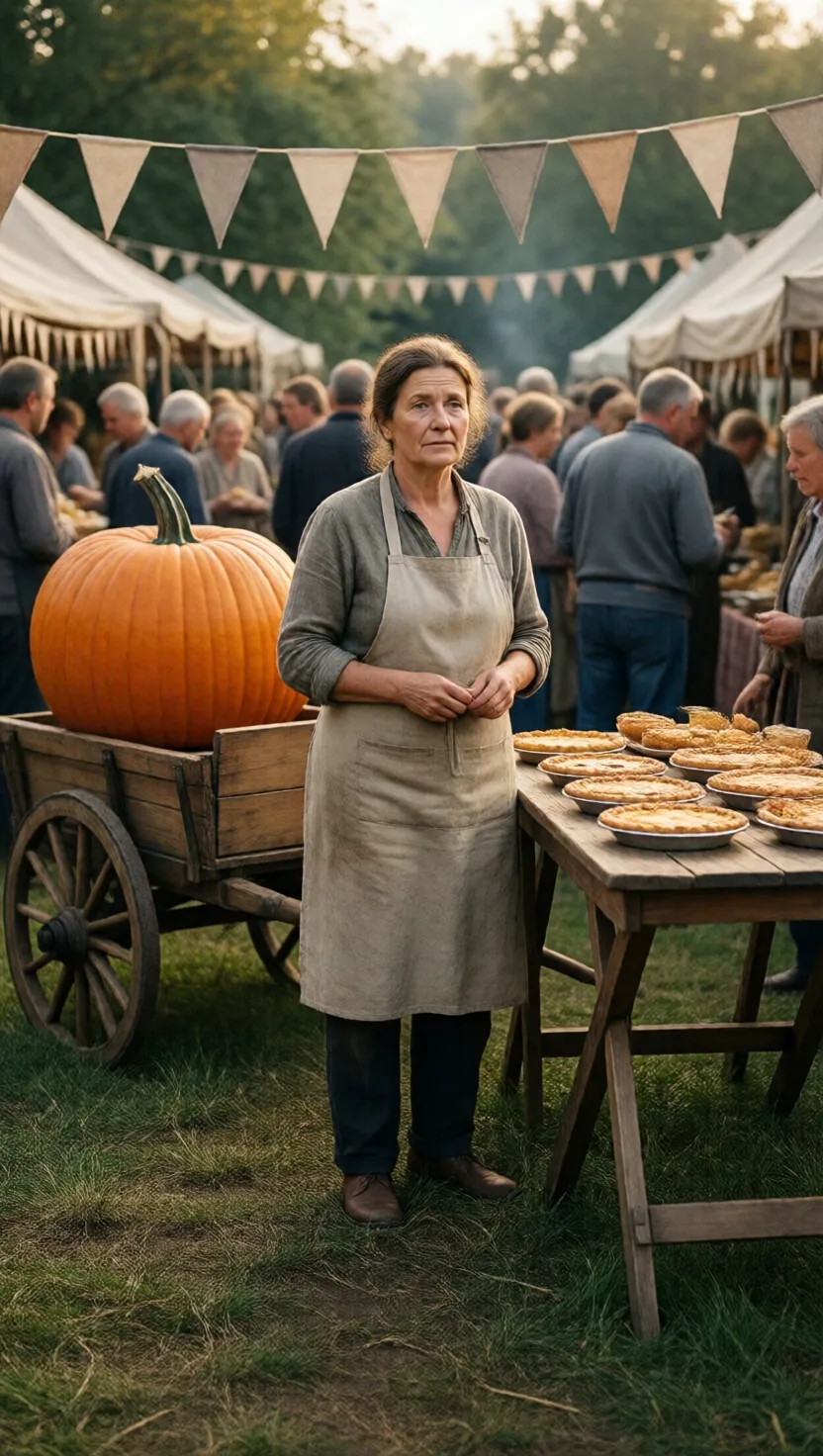
Fair day. The judge must crown one all-fair champion from three contests: heaviest pumpkin, quickest pie, longest throw. The pumpkin grower is already celebrating — his number is by far the biggest. But his number is in kilos and the pie's is in minutes. What can 'biggest' even mean here?
Big numbers just mean the contest uses big units

Big numbers just mean the contest uses big units

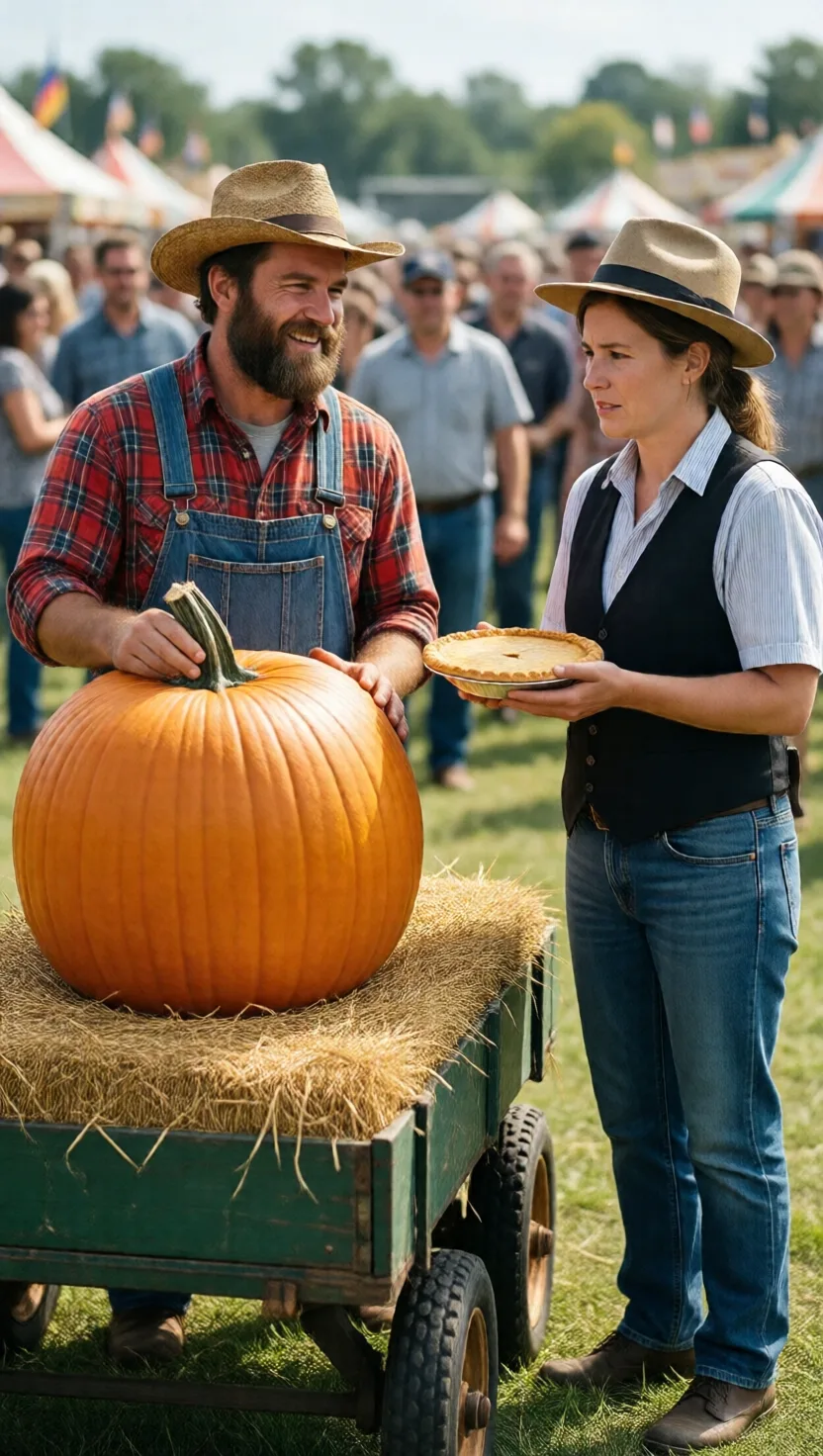
She tries the obvious: line the raw numbers up, biggest wins. It collapses at once — the throw crushes the pie simply because metres come in larger figures than minutes. By that rule the champion was decided the day the contests were chosen, before anyone competed. Big compared to what? She goes hunting for each contest's idea of ordinary…
First move: subtract what's ordinary

First move: subtract what's ordinary

Contest by contest she finds the ordinary entry — the weight most pumpkins are, the time most pies take — and asks each contestant one thing: how far above ordinary are you? Now zero means unremarkable everywhere. But throws scatter wildly while pie times bunch within seconds. Five above ordinary is cheap in a wild contest, heroic in a tight one. She needs one more move…
Then divide by how much the contest itself swings

Then divide by how much the contest itself swings

She measures each contest's natural swing — how widely its entries usually spread — and scores everyone in swings above ordinary. Two swings up is exactly as rare for a pie as for a pumpkin: the units cancel, and only unusualness remains. On this scale a quiet baker, absurdly quick for pie-kind, edges out the giant pumpkin. The crowd demands a name for what she's done…
Her trick has a name: normalization

Her trick has a name: normalization

z=xμσz = \frac{x - \mu}{\sigma}
The judge's trick is normalization: take a raw score x, subtract the ordinary μ, divide by the usual spread σ. The z that remains says only how unusual you are for your own contest — so 'unusually big' finally means the same thing everywhere. One fair question for pumpkins, pies and throws alike. And machines, it turns out, need her trick even more than fairs do…
A learning machine is a very foolable judge

A learning machine is a very foolable judge

Feed a machine raw columns — kilos here, minutes there — and it becomes the fair's worst judge: whichever column shouts in bigger units drags the learning, and training slows to a zigzag crawl. Normalize each column — its own ordinary, its own spread — and the same machine learns fast and fair, weighing unusualness, not unit size. One question lingers: who decides what's ordinary?
🌱 Unusual — compared to what?

🌱 Unusual — compared to what?

Packing up at dusk, the judge turns her own trick over. Every score you're handed — grades, salaries, follower counts — quietly assumes a contest: an ordinary to subtract, a spread to divide by. Change the crowd you're measured against, and your number moves without you changing at all. Who chose the ordinary you're compared to — and what would you be against another one?
tap →swipe ↑ for depthswipe ↓ to exit