Eight things hidden in iron and the forge

DC·43 Deep Cuts
A 1,600-year-old iron pillar that won't rust

A 1,600-year-old iron pillar that won't rust

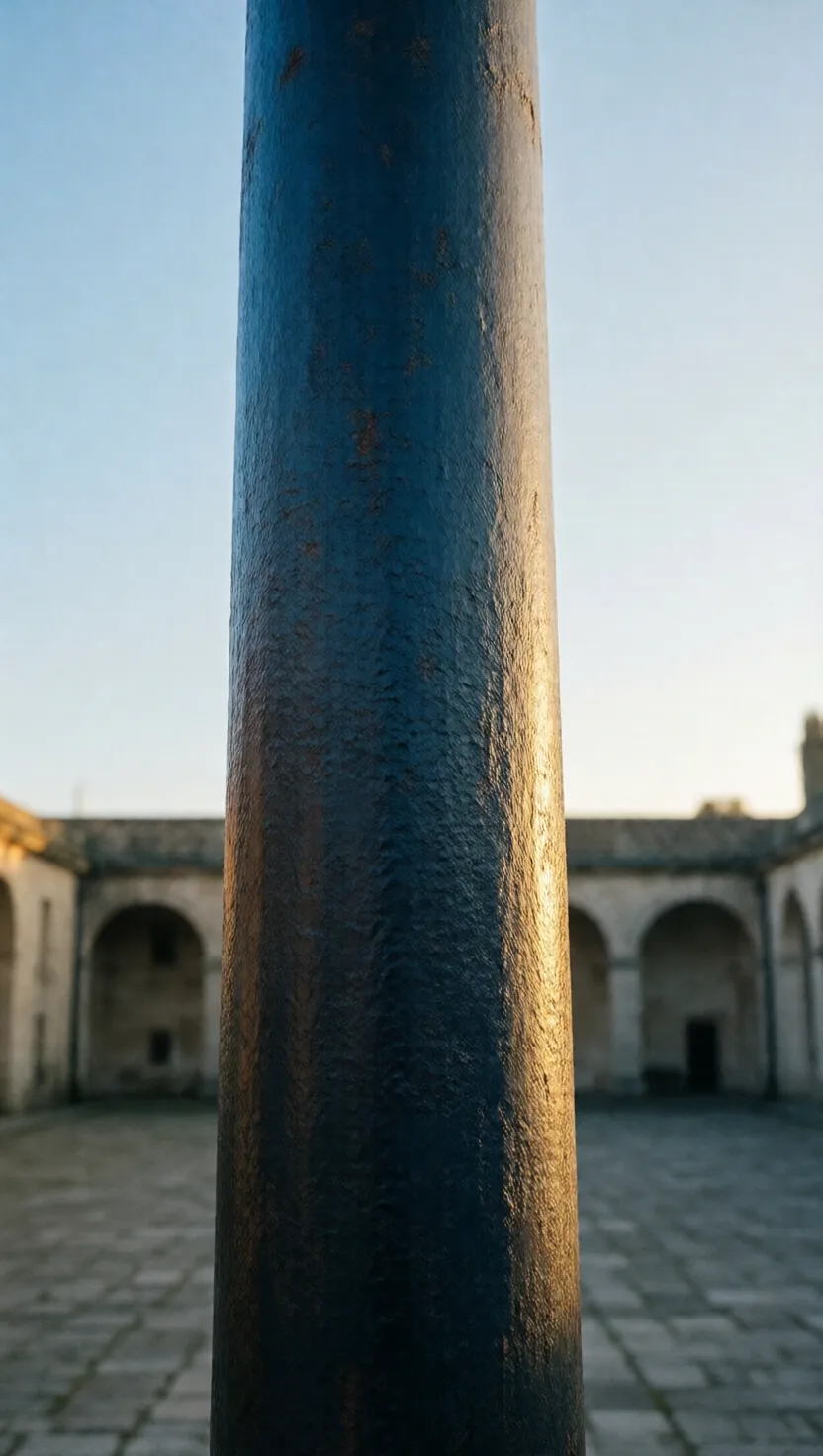
In Delhi stands a wrought-iron pillar made in the early 5th century, over 7 m tall and weighing more than six tonnes, that has barely corroded. Its iron carries about 0.25% phosphorus, roughly five times that of modern iron, which catalyses a thin, self-healing film of iron oxyhydroxide at the metal surface. In sixteen centuries that protective layer has grown just one-twentieth of a millimetre thick.
Rust pushes outward with the force to split stone

Rust pushes outward with the force to split stone

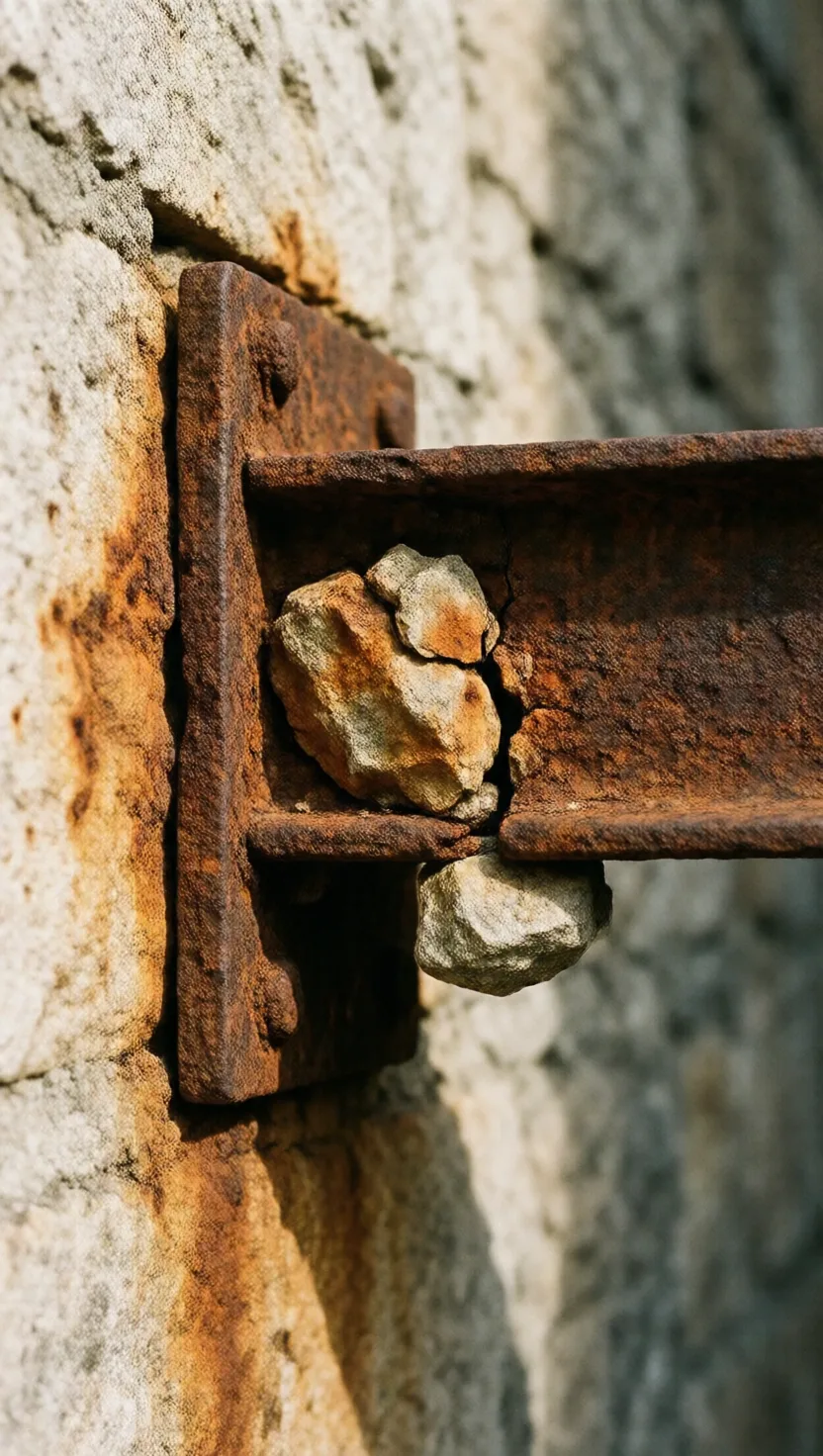
When iron corrodes, the oxide that forms is far less dense than the metal it replaces; depending on the iron oxide, rust occupies roughly two to six times the original metal's volume. Trapped inside masonry around an embedded iron cramp or bar, that swelling exerts huge outward pressure, slowly cracking and spalling the surrounding stone. Conservators call it oxide jacking, and it has shattered statues and lintels held together by hidden iron.
A glowing blade stops sticking to a magnet

A glowing blade stops sticking to a magnet

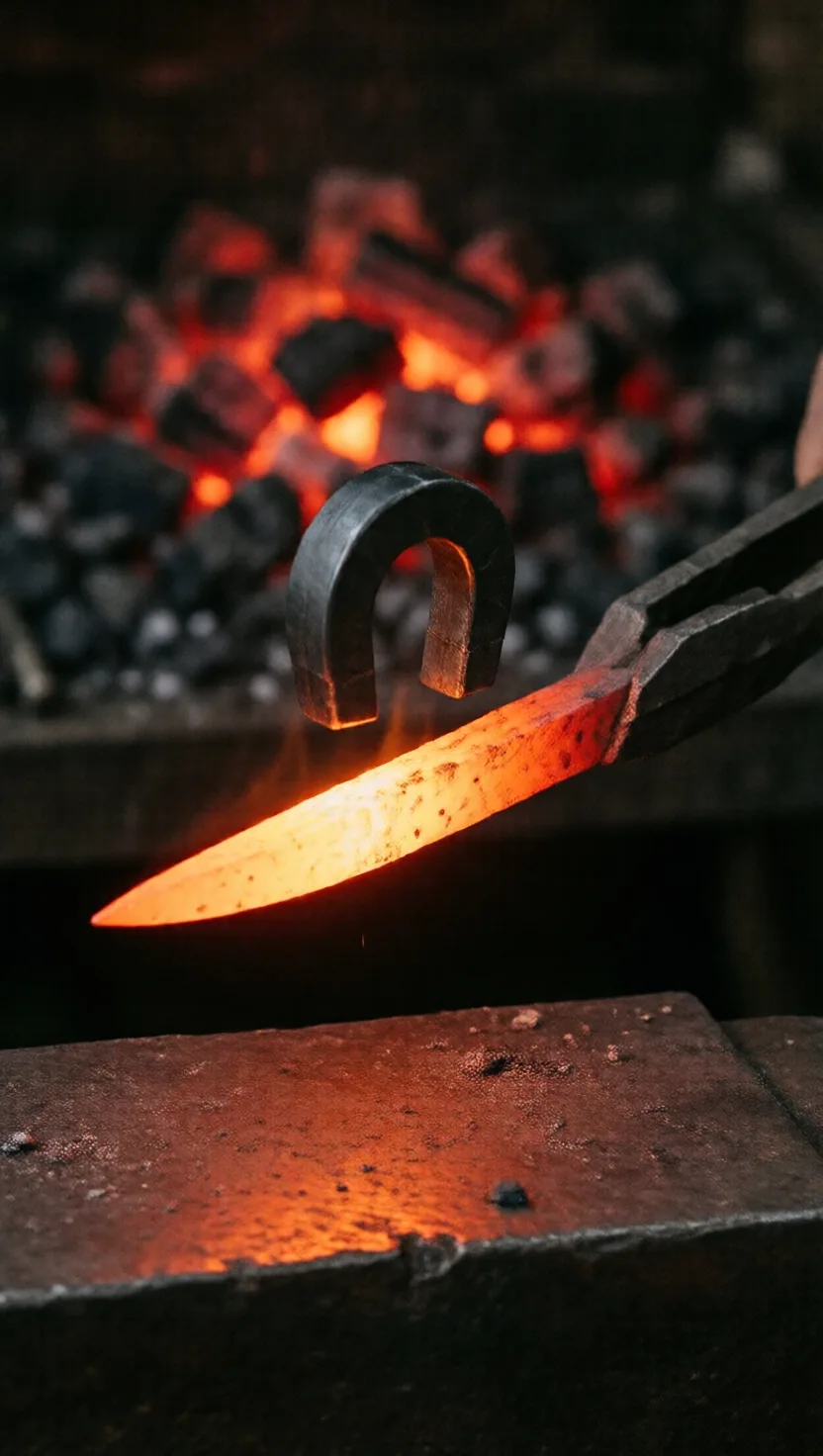
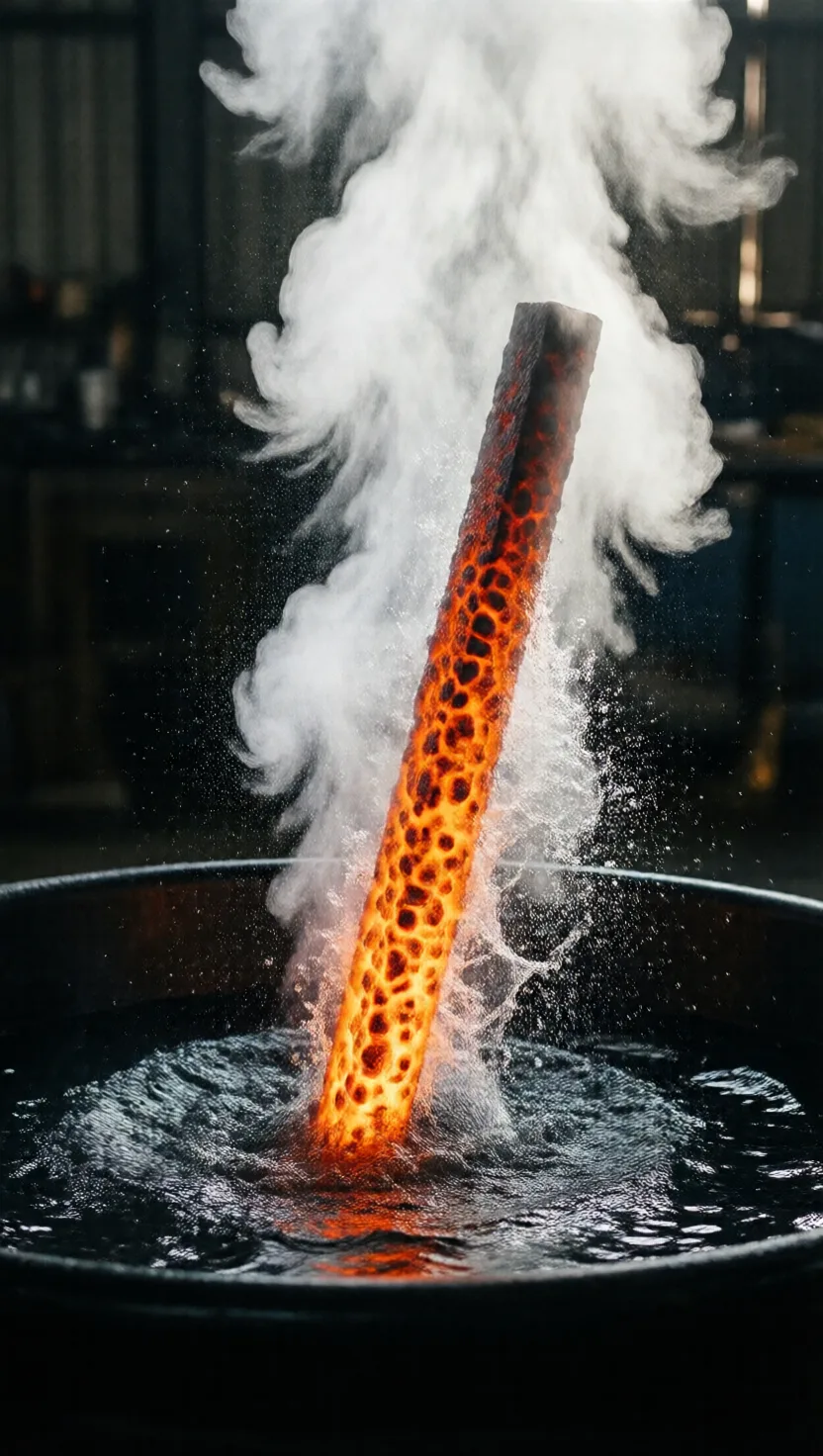
Iron is magnetic only below its Curie point, about 770 C. Heat a steel blade past that temperature and it abruptly loses its pull on a magnet, and that same threshold sits near where the steel's crystal structure shifts for hardening. Smiths exploit the coincidence: they touch a magnet to the glowing steel, and the instant it no longer clings, the metal is hot enough to quench. The fire's colour can lie; the magnet does not.
The sword's groove was never for blood

The sword's groove was never for blood

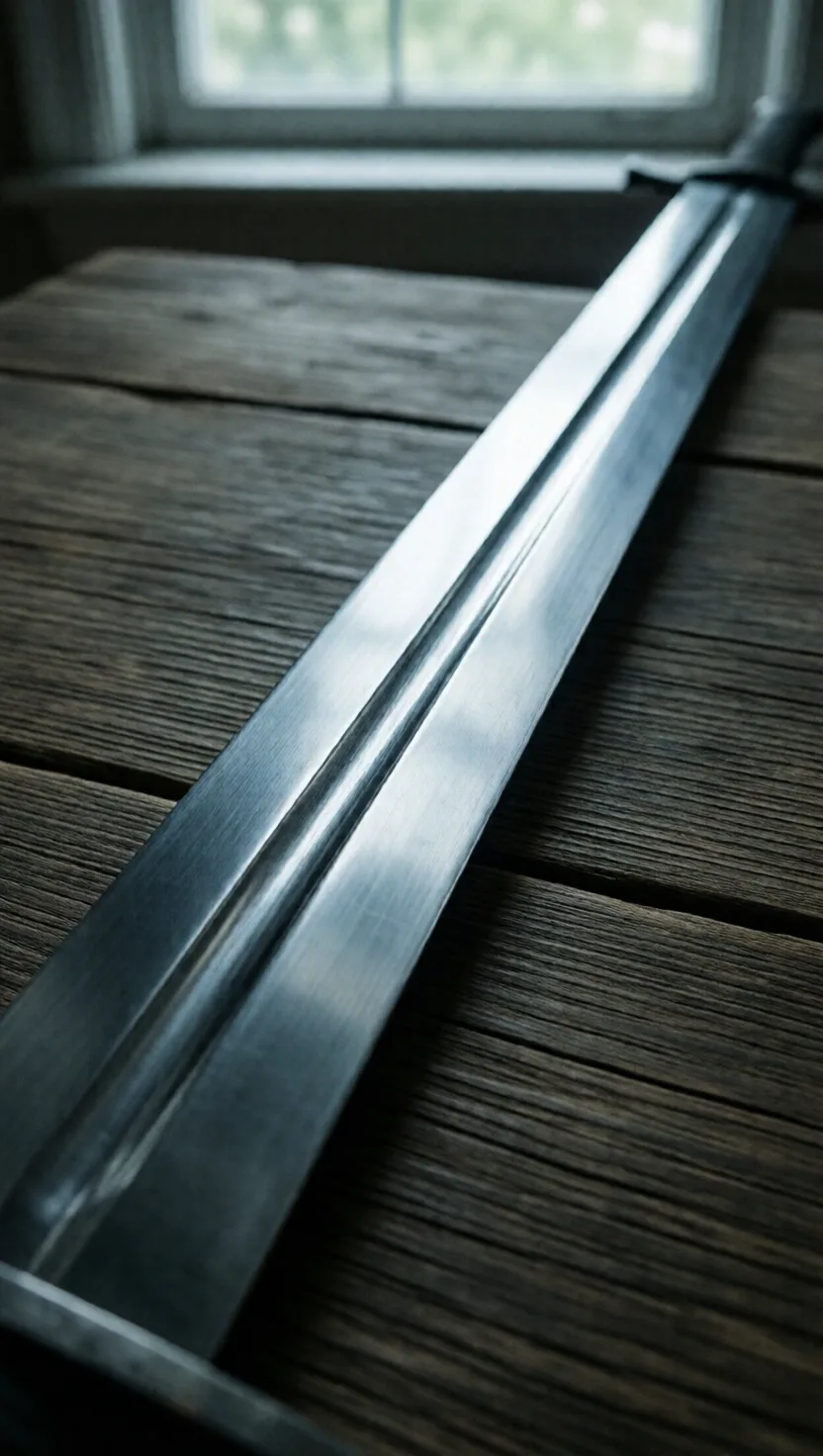
The long channel down a sword blade is a fuller, and despite the nickname blood groove it has nothing to do with blood. It works like an I-beam: removing metal from the centre while keeping material at the edges gives almost the same stiffness for much less mass. A well-forged fuller can leave a blade 20 to 35% lighter than a solid one, faster in the hand, with strength preserved by geometry rather than bulk.
Damascus steel's swirl needs a trace of vanadium

Damascus steel's swirl needs a trace of vanadium

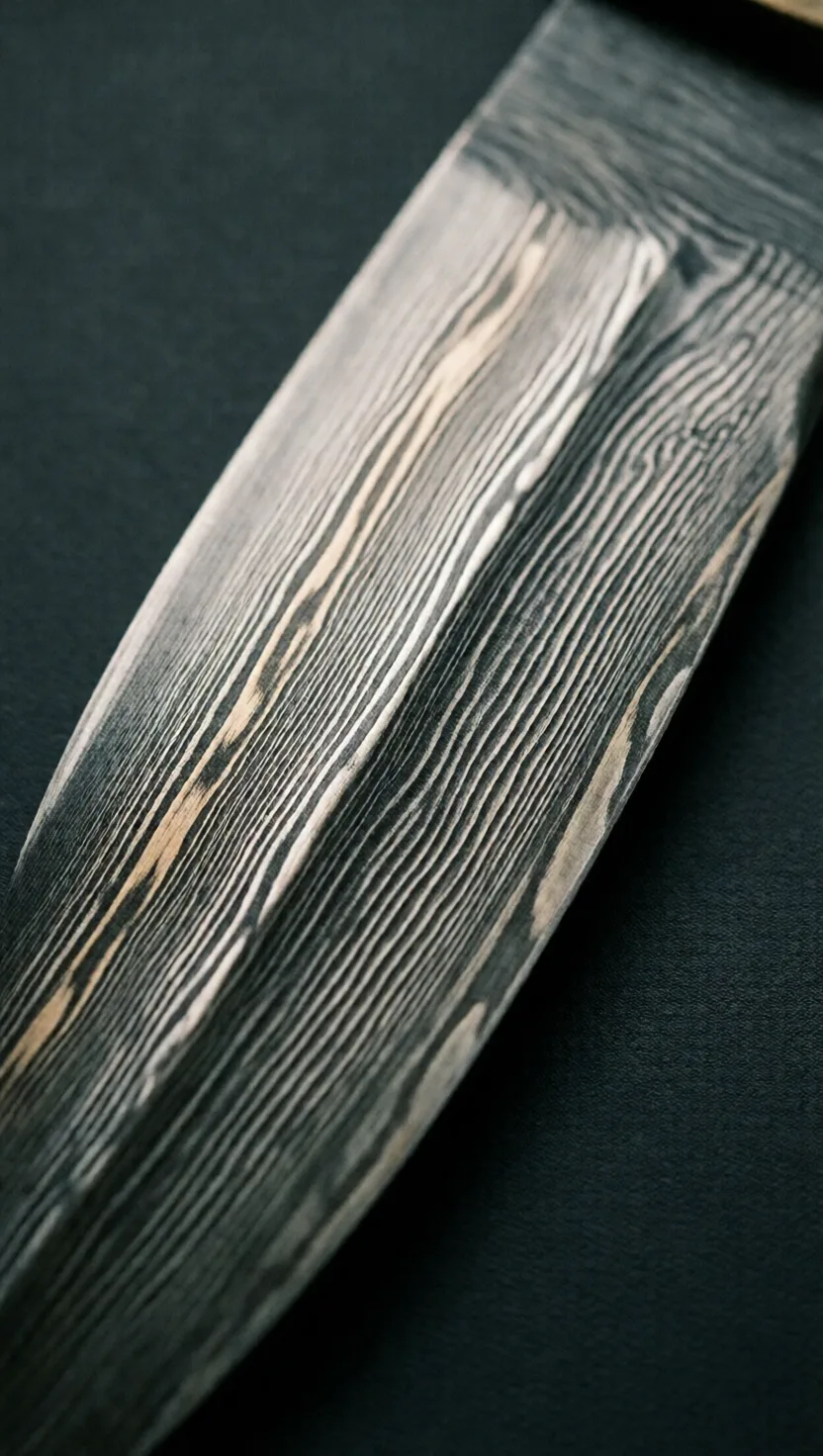
The watery banded pattern of true wootz Damascus blades comes from sheets of hard iron carbide aligned through repeated forging. Metallurgists showed the bands form only when the ore carries tiny amounts of certain impurities, vanadium in particular, at fractions of a percent. Without that trace element the carbide spreads evenly and no pattern appears. Lose the right ore, and the recipe vanishes, which is roughly how the craft was lost.
Steel changes colour to tell you its temper

Steel changes colour to tell you its temper

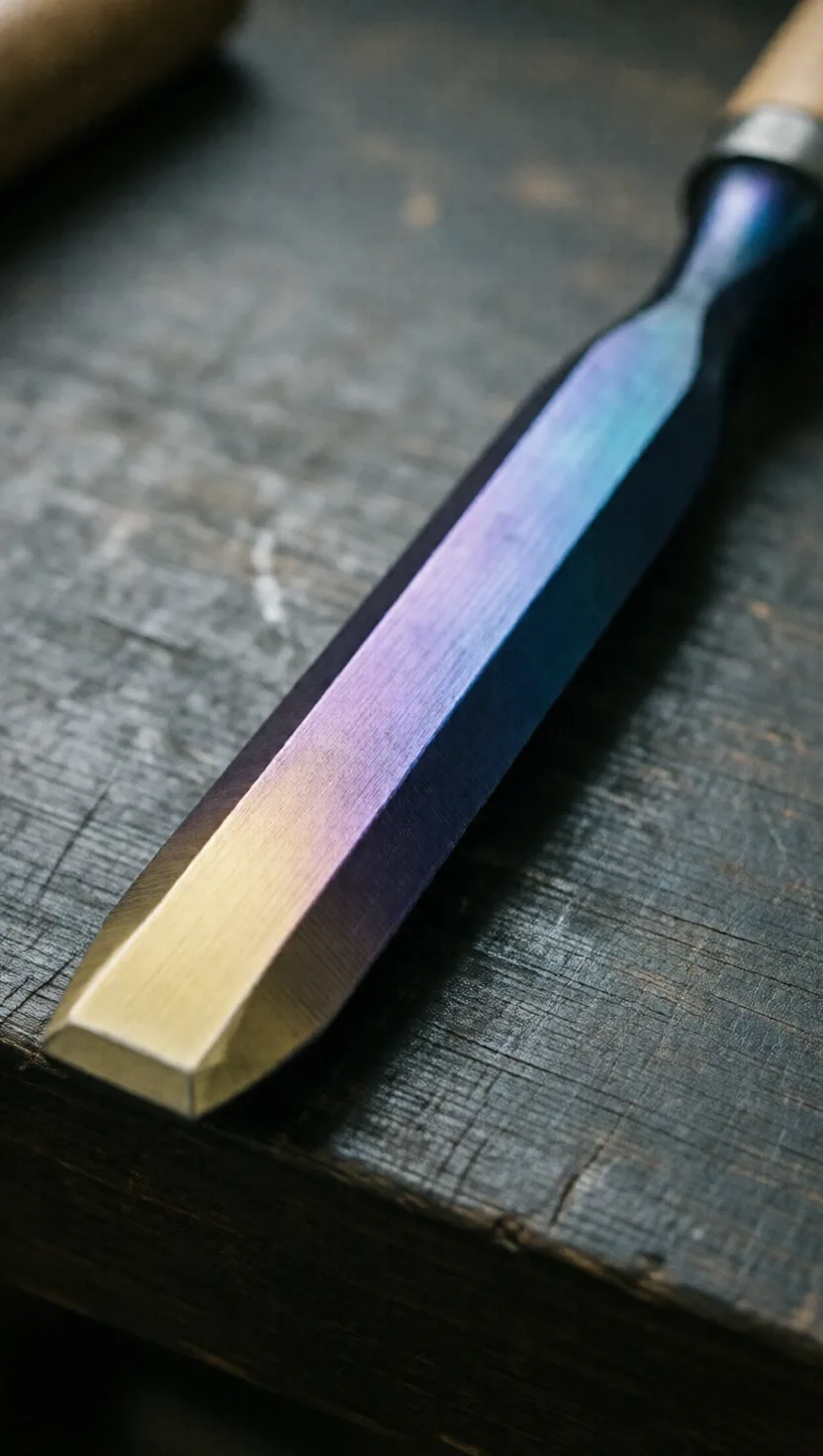
As a polished steel tool is reheated after hardening, a paper-thin oxide film grows on its surface. The film is transparent enough that light reflecting off its top and bottom interferes, the same physics that paints oil slicks on water, so the steel runs through straw yellow, brown, purple, then blue as the layer thickens to a couple of hundred nanometres. Smiths read those colours directly: straw for a hard edge, blue for a springy back.
Iron ore that grows back in a swamp

Iron ore that grows back in a swamp

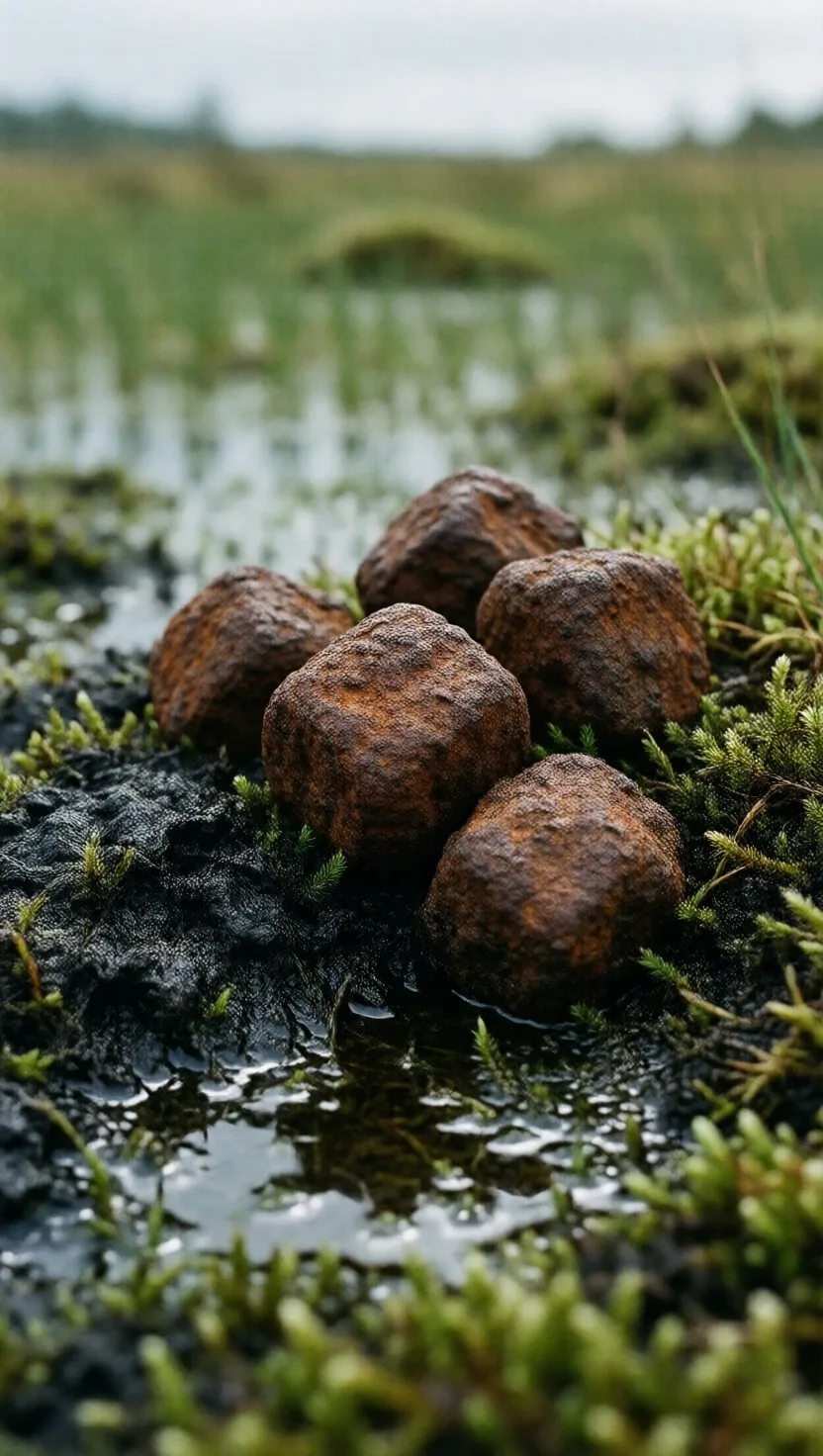
Long before mines, smiths gathered iron straight from wetlands. Iron-oxidising bacteria pull dissolved iron from groundwater and concentrate it as part of their metabolism, building up soft lumps of bog iron near the surface of peat bogs. Because the groundwater keeps delivering iron, a harvested bog slowly refills; the same patch can be skimmed again about once a generation, roughly every twenty years, making it a genuinely renewable ore.
Salt water cools steel faster than plain water

Salt water cools steel faster than plain water

Plunge red-hot steel into water and it instantly wraps itself in a clinging blanket of steam that slows cooling unevenly, inviting cracks. Dissolve five to ten percent salt into the water and the quench gets fiercer, not gentler: salt crystals settling on the hot steel shatter and stir up turbulence that tears the vapour film apart, so liquid touches metal sooner. The result is faster, more uniform cooling, and harder, less distorted steel.
tap →swipe ↑ for depthswipe ↓ to exit