Eight things hidden inside an ordinary quartz crystal

DC·211 Deep Cuts
For ages it was thought to be ice that won't melt

For ages it was thought to be ice that won't melt

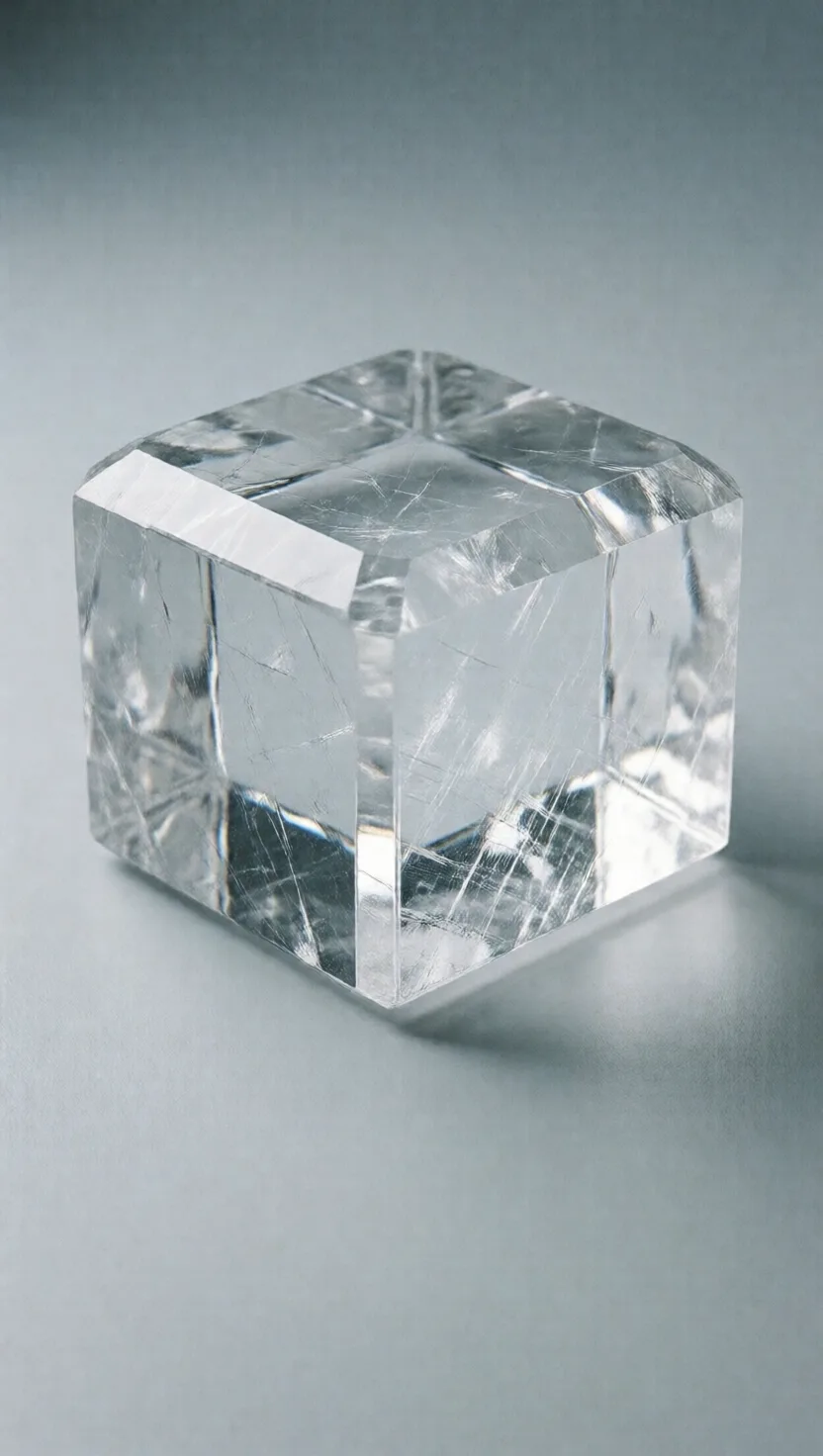
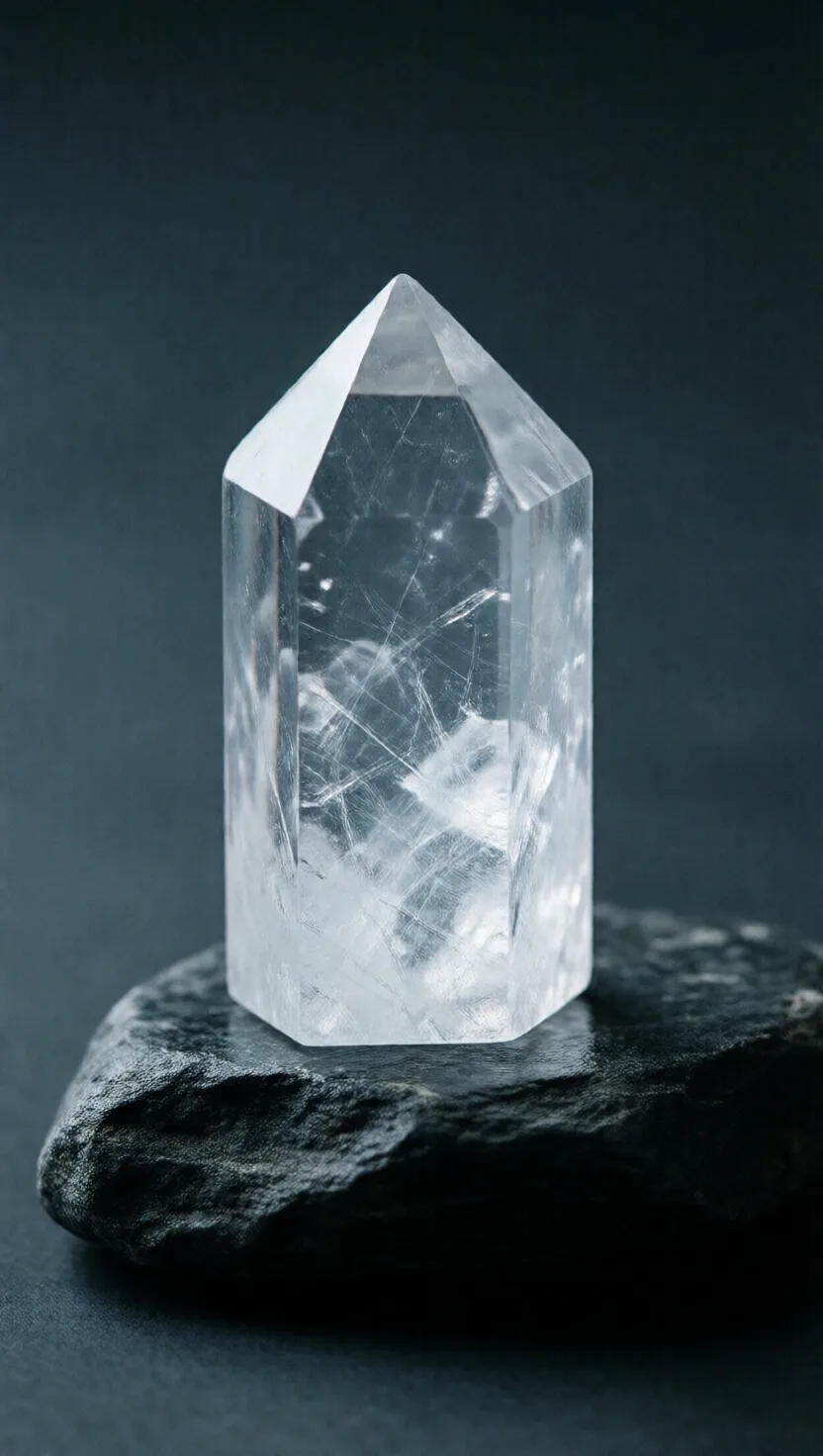
The word 'crystal' comes from the Greek krystallos, meaning ice. The ancient Greeks found clear quartz high in the frozen Alps and concluded it was water frozen so hard and so completely that it could never thaw again. The Roman writer Pliny the Elder repeated the idea in his encyclopedia around 77 AD, describing rock crystal as ice locked solid by intense cold. The belief lingered for well over a thousand years.
It grows in left- and right-handed twins

It grows in left- and right-handed twins

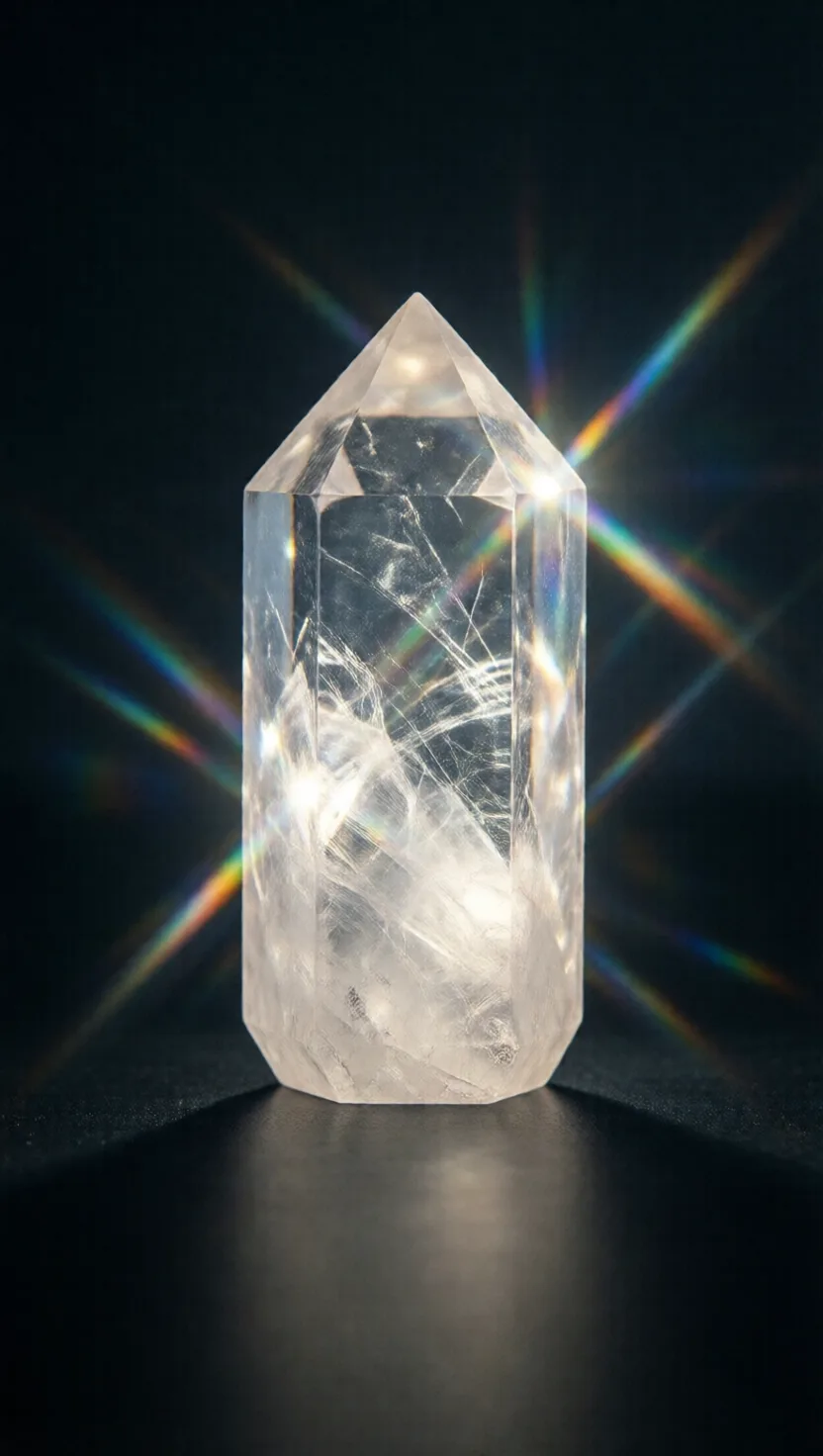
Quartz is chiral: its atoms spiral as the crystal grows, and the spiral can run either clockwise or anticlockwise, giving left-handed and right-handed crystals that are perfect mirror images of each other. Shine polarized light straight down the axis of one and it twists the light to the right; an opposite-handed crystal twists it left by exactly the same amount. The French physicists Arago and Biot noticed the effect in quartz around 1811, long before anyone could see atoms.
Most quartz in your devices is grown, not mined

Most quartz in your devices is grown, not mined

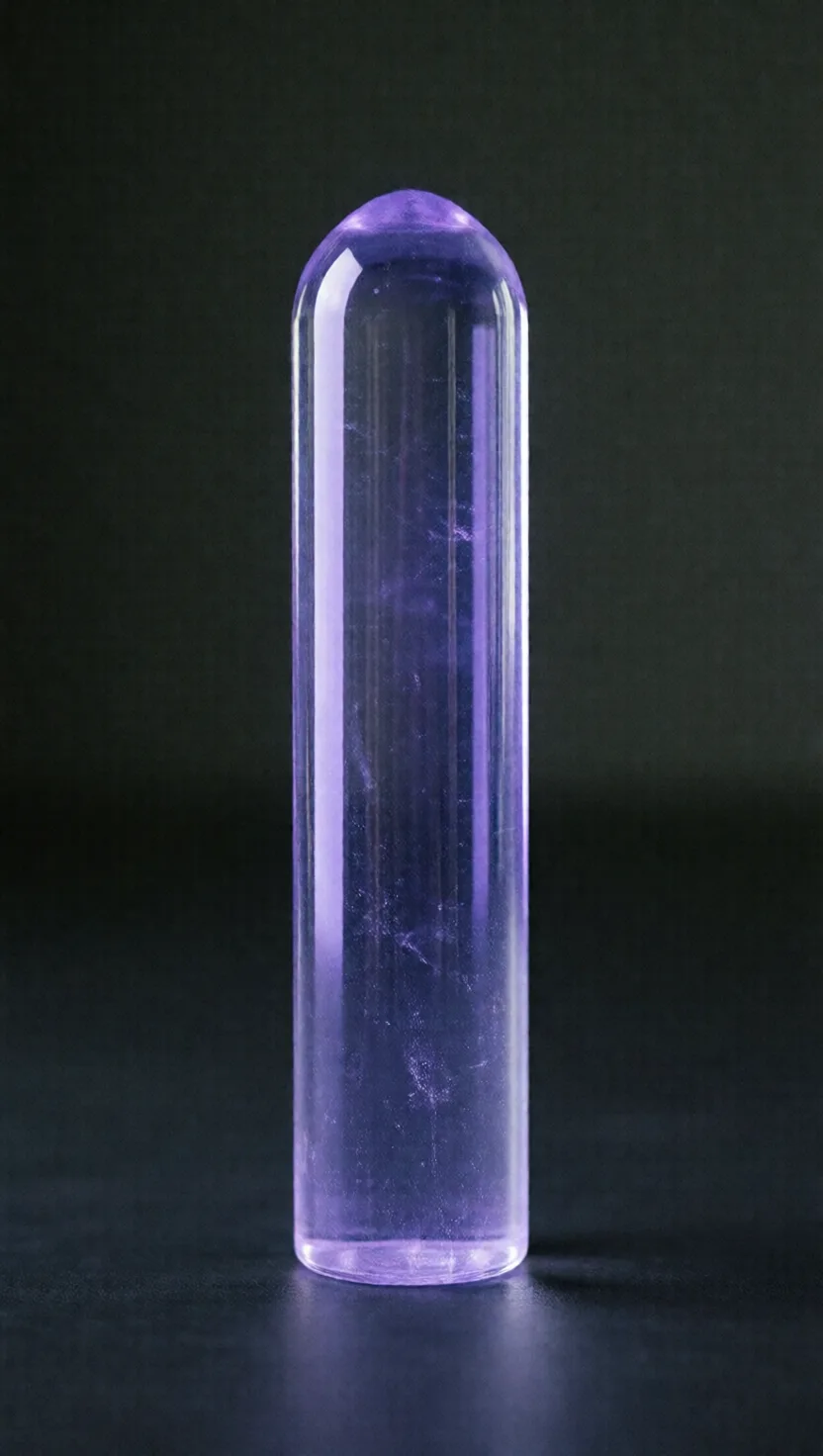
The quartz that keeps electronics ticking is almost never dug out of the ground — it is farmed. Crushed natural quartz is dissolved in hot alkaline water inside a sealed steel pressure vessel heated to around 400°C at pressures near 30,000 pounds per square inch. The dissolved silica drifts to a cooler zone and slowly rebuilds itself, atom by atom, onto a thin seed crystal. Over weeks it grows into a flawless block far purer than anything natural.
A ghost crystal hides inside, frozen mid-growth

A ghost crystal hides inside, frozen mid-growth

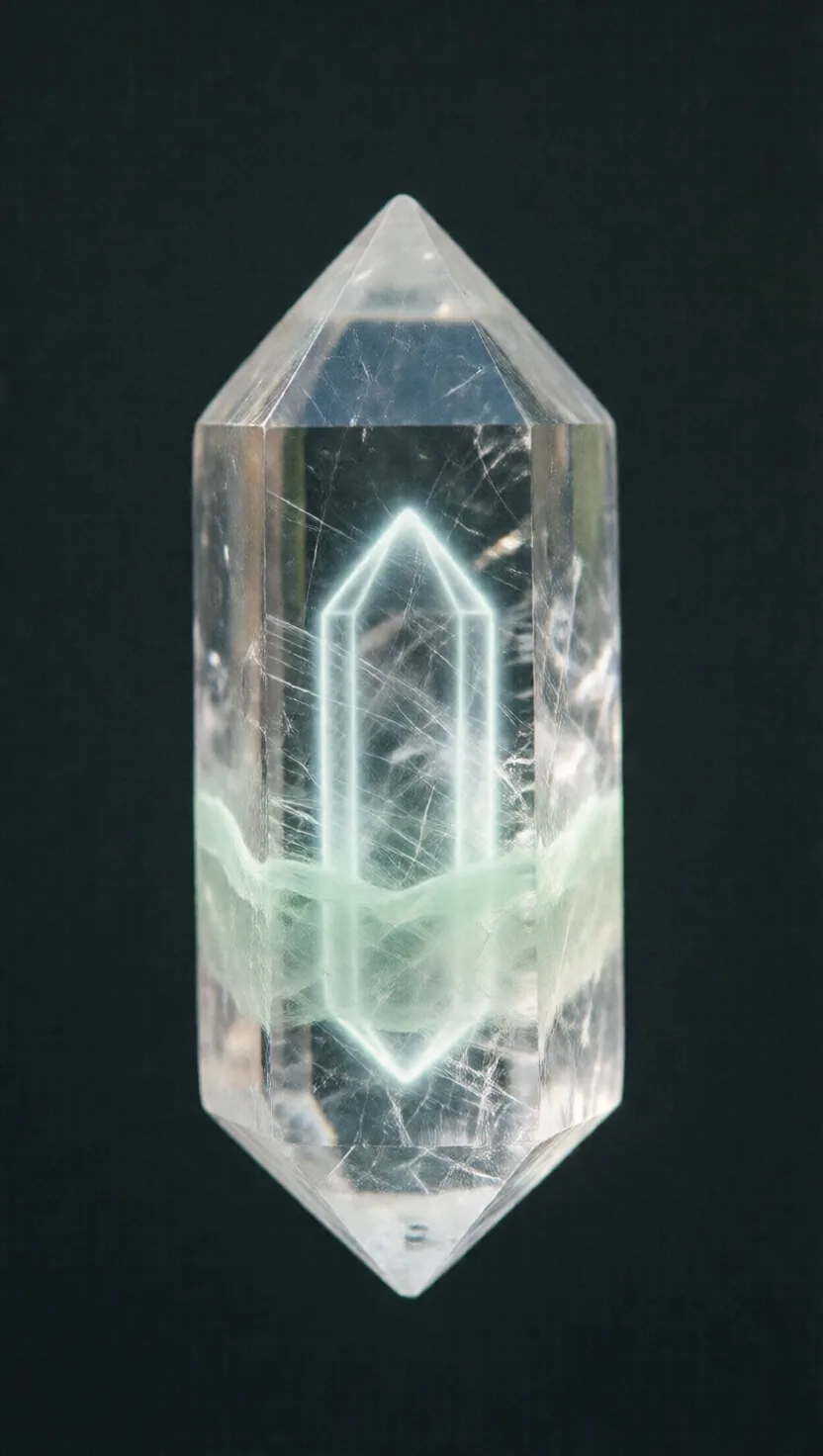
Some quartz crystals hold a 'phantom' — a faint, complete smaller crystal sealed inside the larger one. It forms when growth pauses and a thin dusting of another mineral, often green chlorite, settles over the crystal's faces. When growth resumes, that dusty outline is buried in place, preserving the exact shape the crystal had at that moment. A crystal with several phantoms is a stack of frozen snapshots, each marking a separate halt in its slow making.
It comes faceted on both ends, with no cutting

It comes faceted on both ends, with no cutting

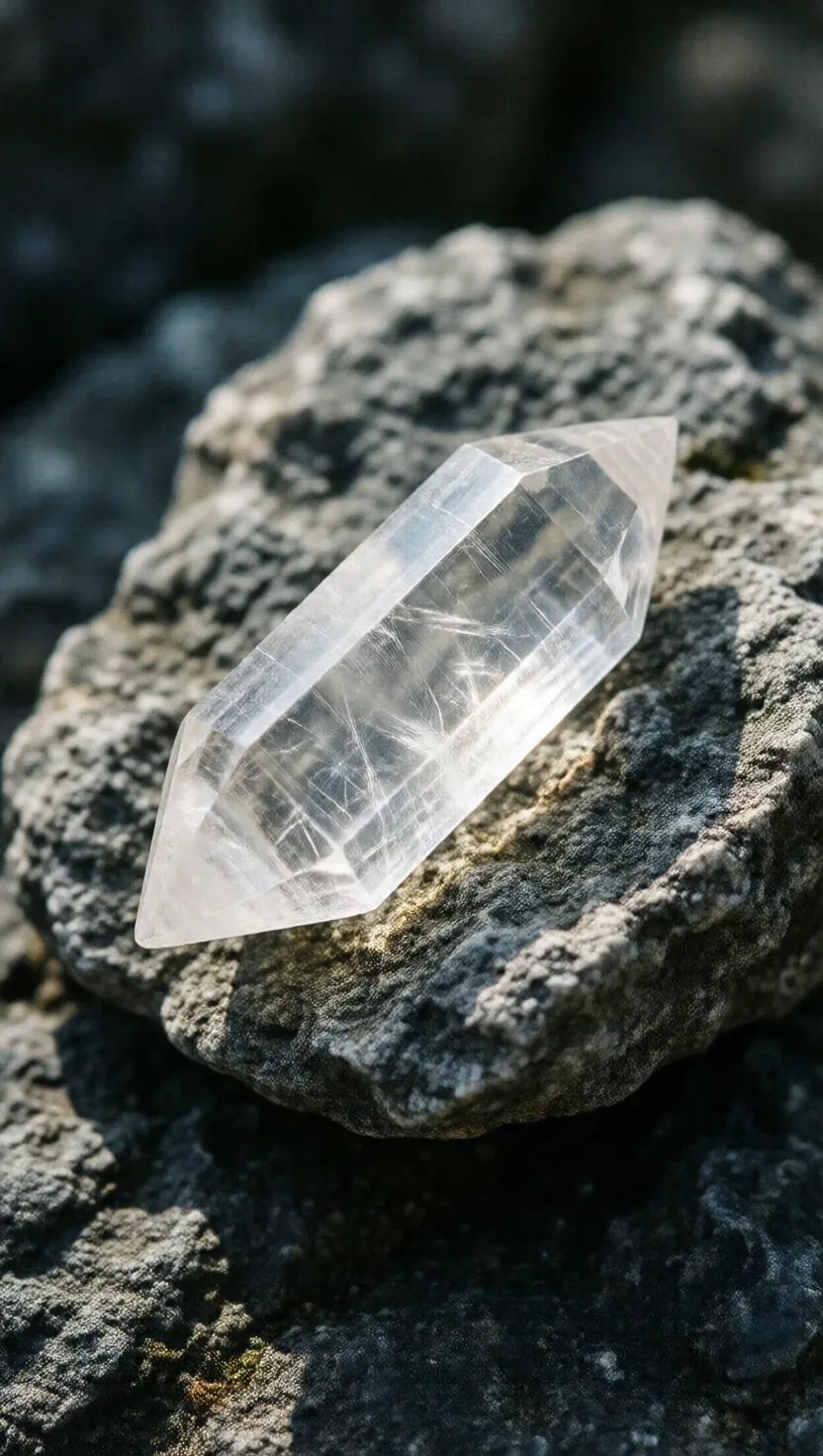
Most quartz grows attached to rock and ends in a single point. But in certain pockets of ancient dolomite stone, crystals grow loose, floating in a cavity with no anchor — so they form points at both ends. The most famous are the so-called Herkimer 'diamonds' of New York, doubly terminated and naturally cut into about 18 sparkling faces. They've sat unchanged in their stone pockets for roughly 500 million years, gem-bright and never touched by a polishing wheel.
Glass stops the sun's UV; this lets it through

Glass stops the sun's UV; this lets it through

Ordinary window glass quietly absorbs most ultraviolet light, which is why you don't tan behind a closed window. Pure fused quartz does the opposite — it stays transparent deep into the ultraviolet, passing wavelengths down to around 185 nanometres that ordinary glass blocks completely. That's why germicidal lamps, sun-lamps and high-end ultraviolet lenses are made with quartz tubes and windows instead of glass: only quartz will let the UV out.
Its smoky colour is a bruise from radiation

Its smoky colour is a bruise from radiation

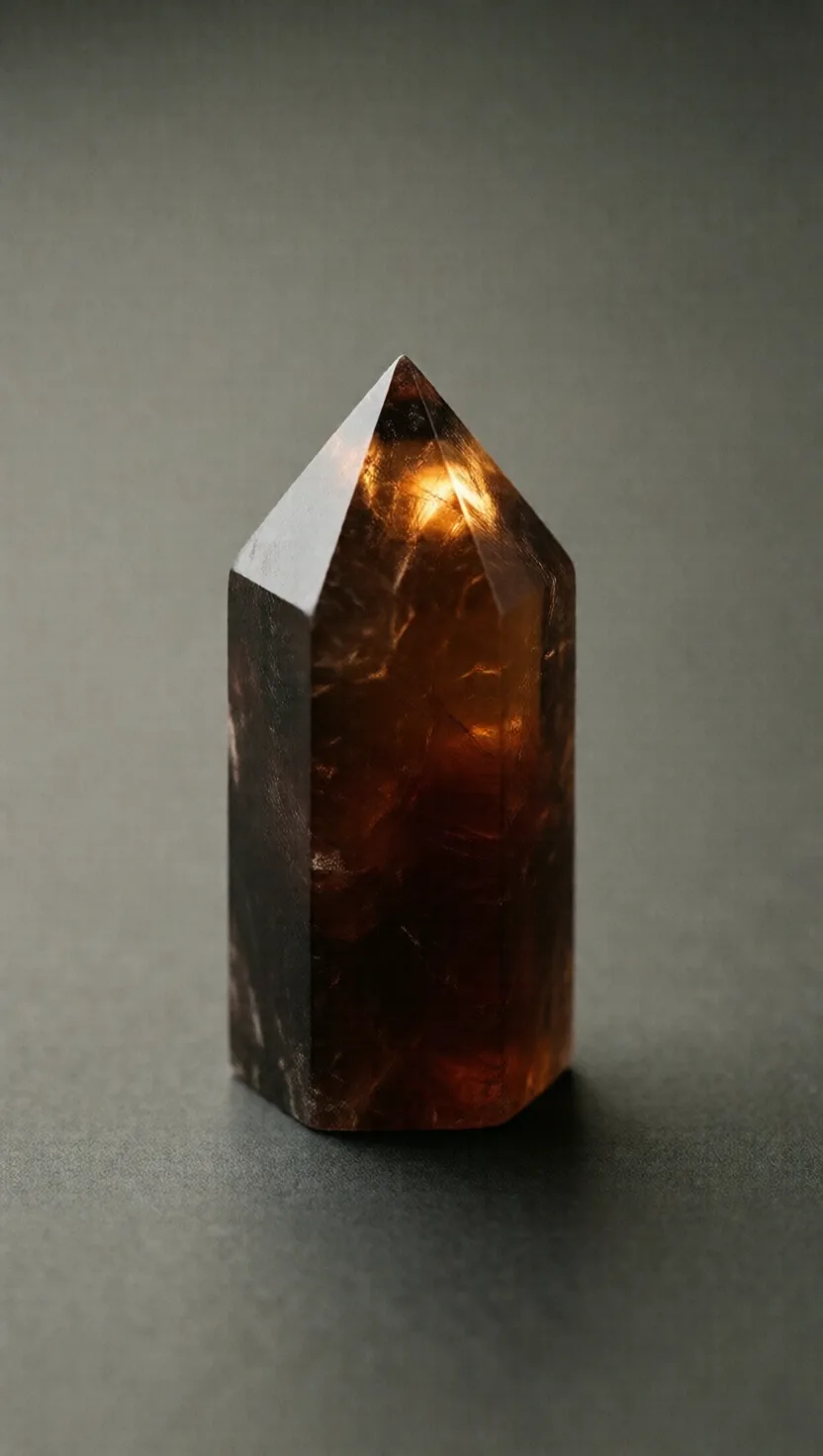
Smoky quartz is just clear quartz that has been irradiated. Tiny amounts of aluminium take the place of silicon in the crystal, and over millions of years faint natural radiation from potassium, uranium and thorium in the surrounding rock knocks electrons loose around those aluminium sites. The displaced electrons form colour centres that soak up light, staining the once-clear crystal smoky brown to near-black. Gem labs make the same shade in minutes by deliberately irradiating pale quartz.
Strike two in the dark and they flash with light

Strike two in the dark and they flash with light

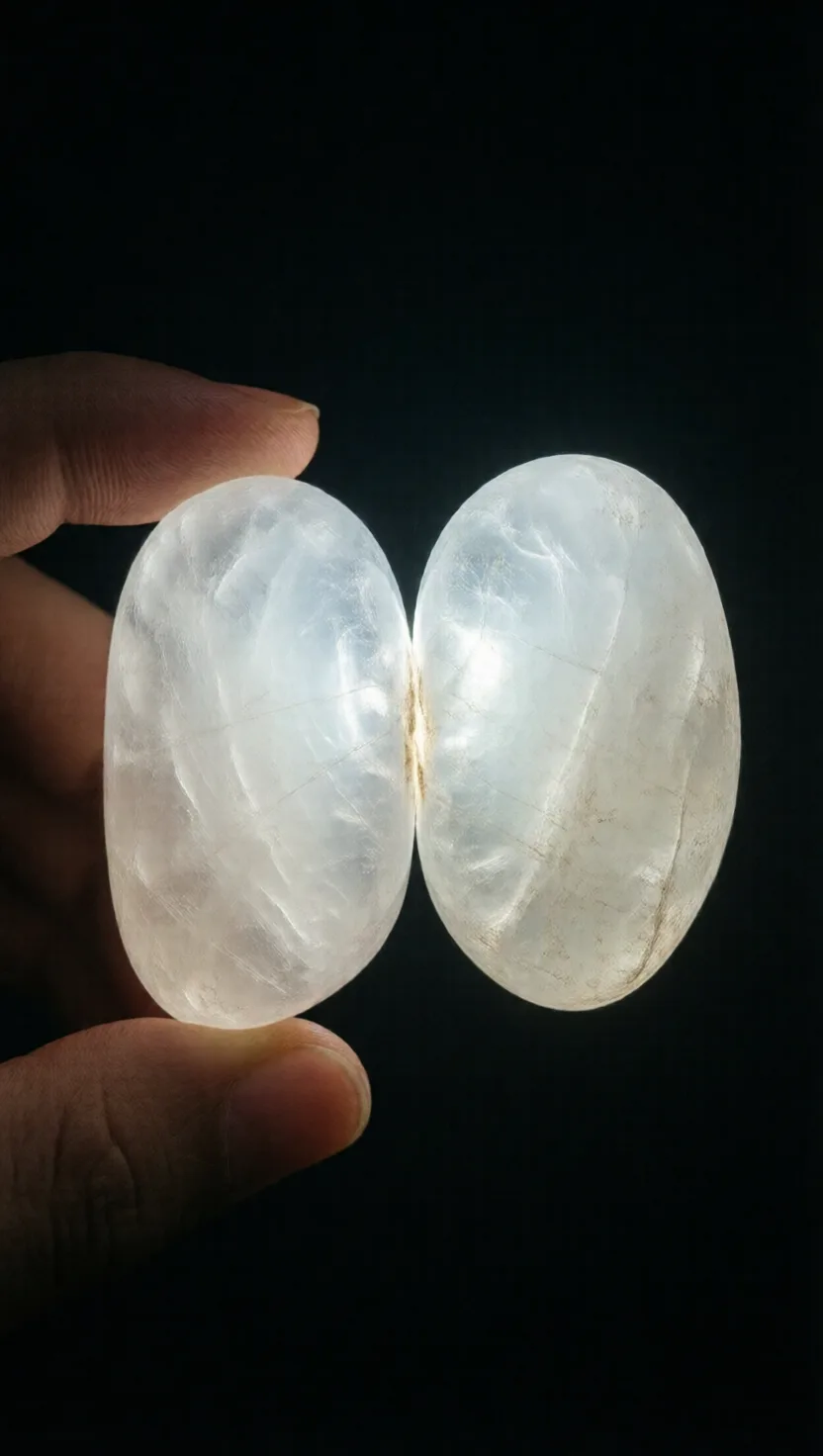
Quartz is triboluminescent: rub or strike two pieces together and they throw off a brief flash of cold light. Press the edge of one milky quartz pebble hard against another, drag it sharply, and in a darkened room you'll see a glow flare deep inside the stone. The light isn't from heat — it comes from electric charges torn apart and snapping back together as the crystal is stressed, a faint lightning made by grinding rock.
tap →swipe ↑ for depthswipe ↓ to exit