Eight wonders hidden underground

DC·14 Deep Cuts
The biggest crystals on Earth can kill you in minutes

The biggest crystals on Earth can kill you in minutes

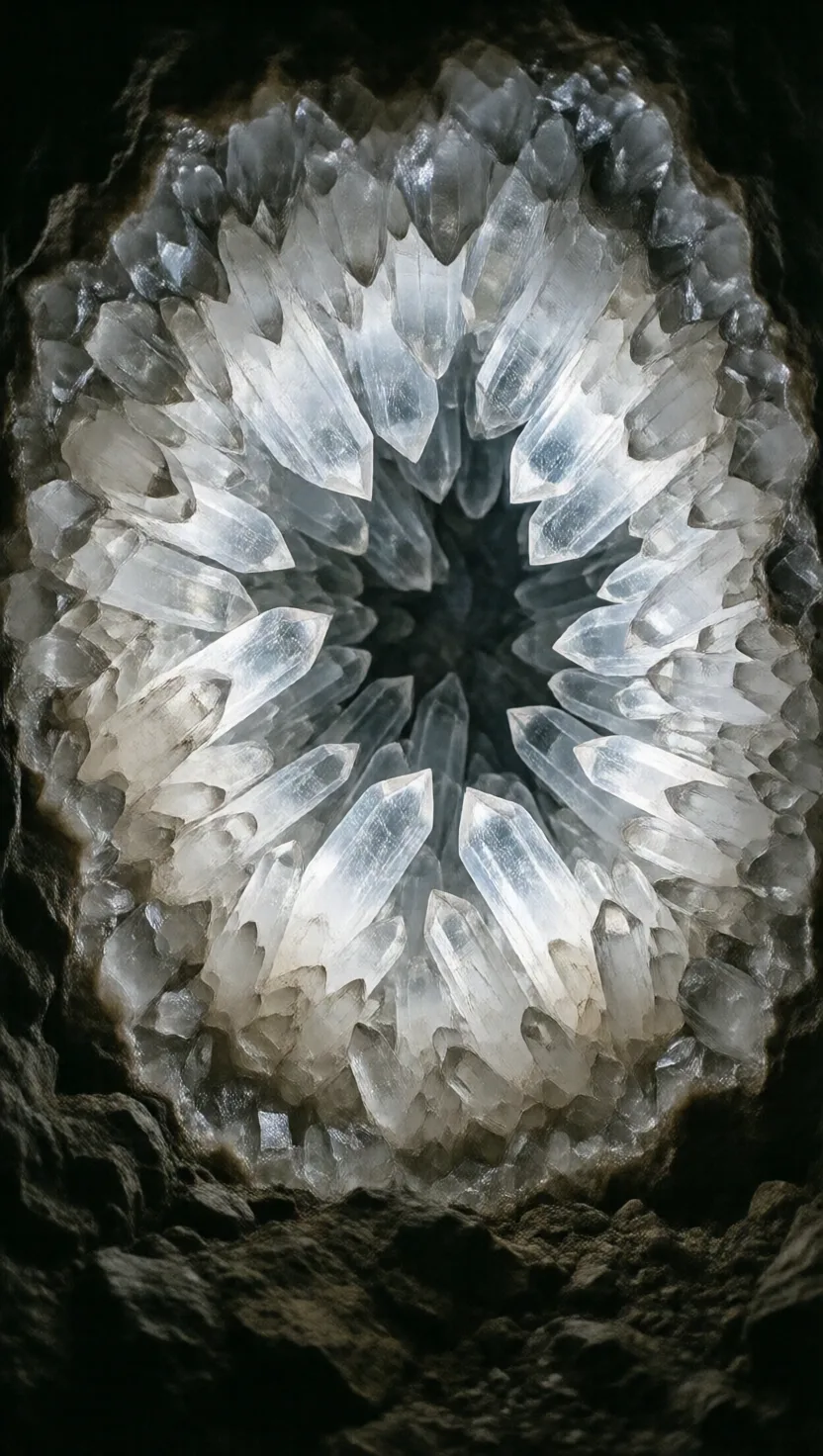
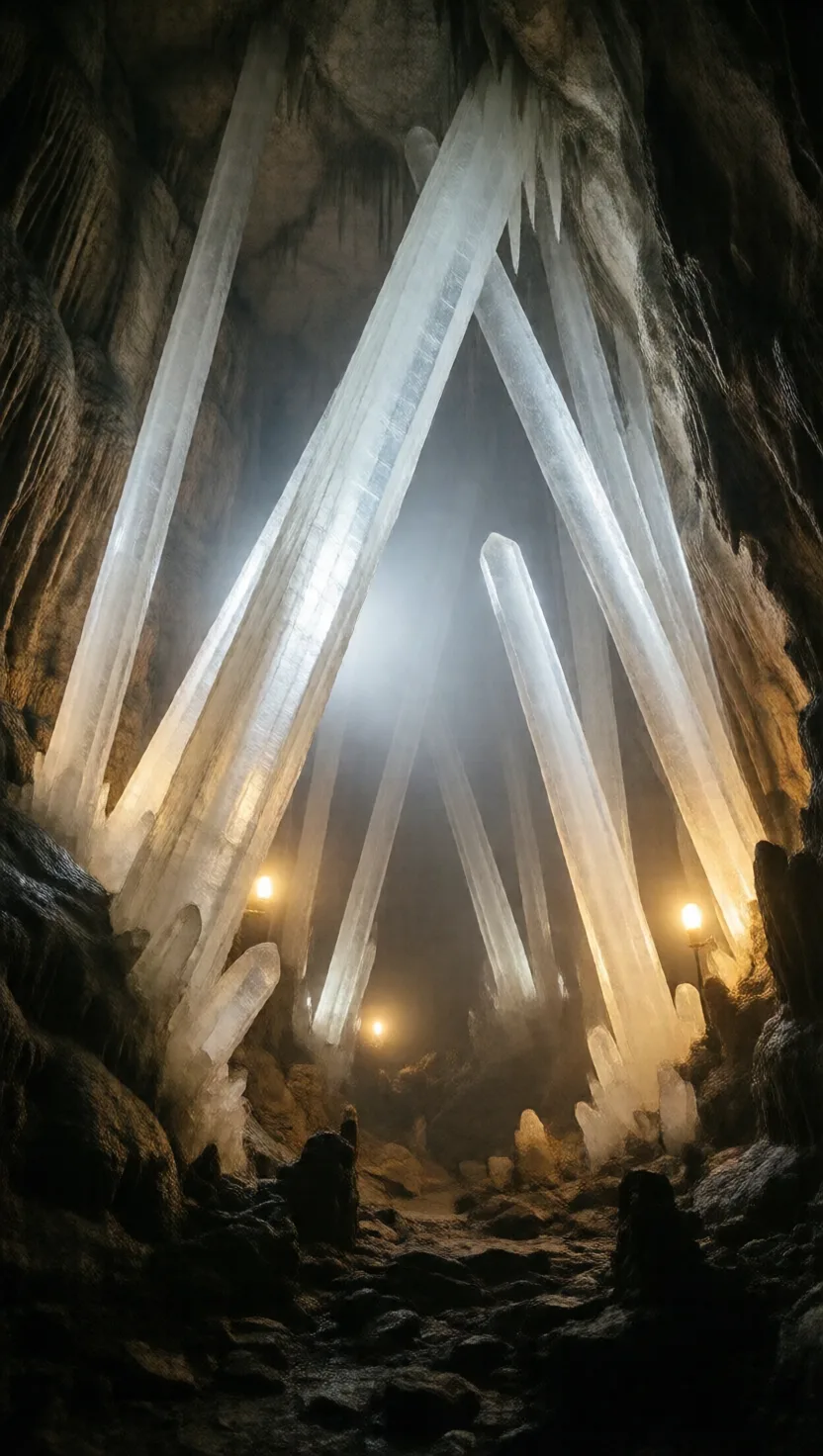
These translucent beams of gypsum are the largest natural crystals ever found — some over 11 metres long and weighing around 12 tonnes, grown while submerged for hundreds of thousands of years in water held at a near-constant 58 °C. That heat is also why almost no one lingers inside: the air sits at about 58 °C with 90 to 99 percent humidity, so explorers need ice-cooled suits and can last only minutes before their bodies begin to fail.
This starry cave ceiling is a swarm of hungry larvae

This starry cave ceiling is a swarm of hungry larvae

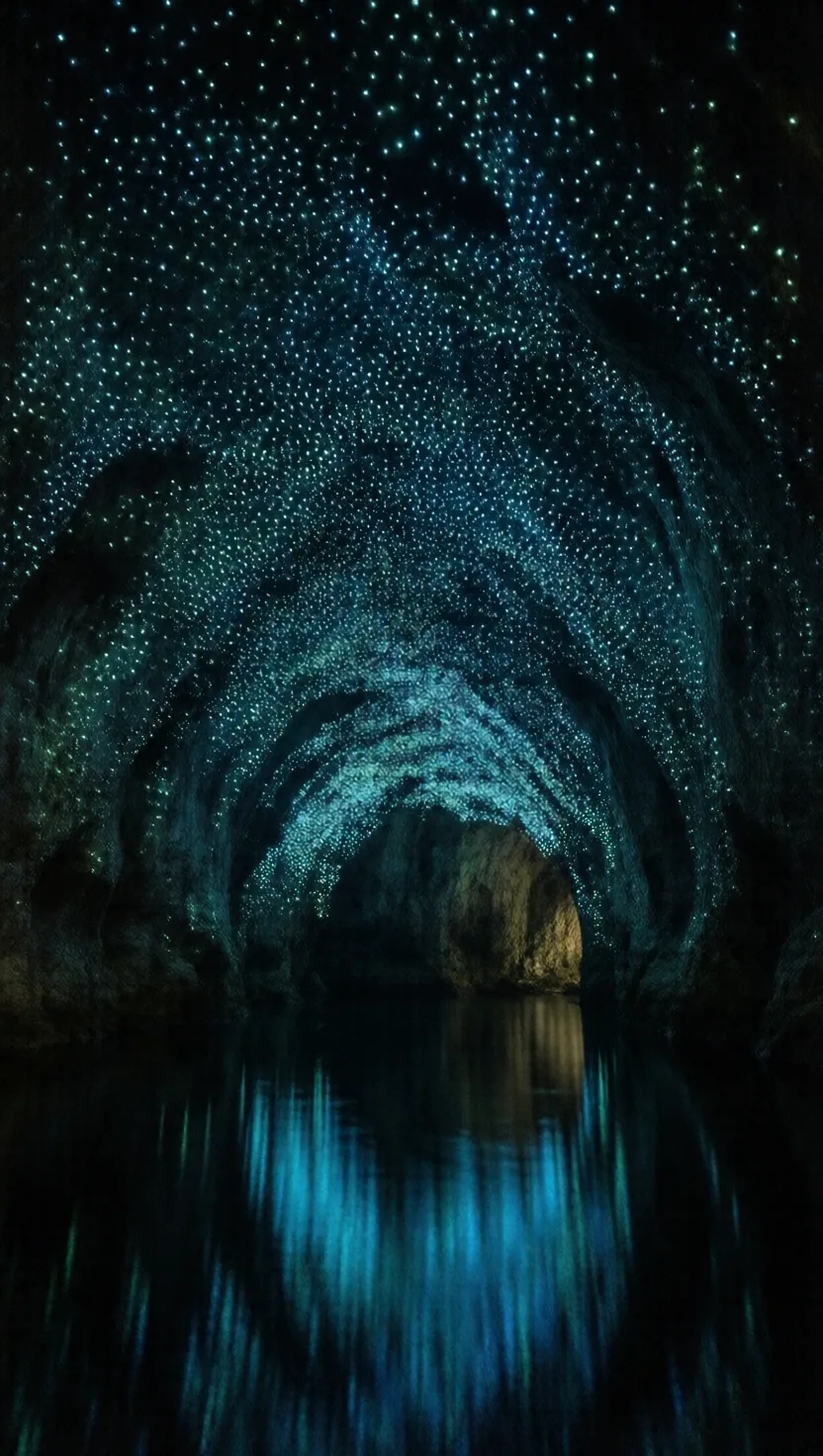
The “stars” are the glow of fungus-gnat larvae, found in New Zealand and nowhere else. Each larva dangles dozens of sticky silk threads up to 70 cm long, beaded with mucus, and gives off a blue-green light at about 480 nanometres to lure insects up into the snares. Hungrier larvae shine brighter; a well-fed one dims. Mistaking the glow for open sky, prey fly straight into the trap.
A cave so vast it grows its own clouds and jungle

A cave so vast it grows its own clouds and jungle

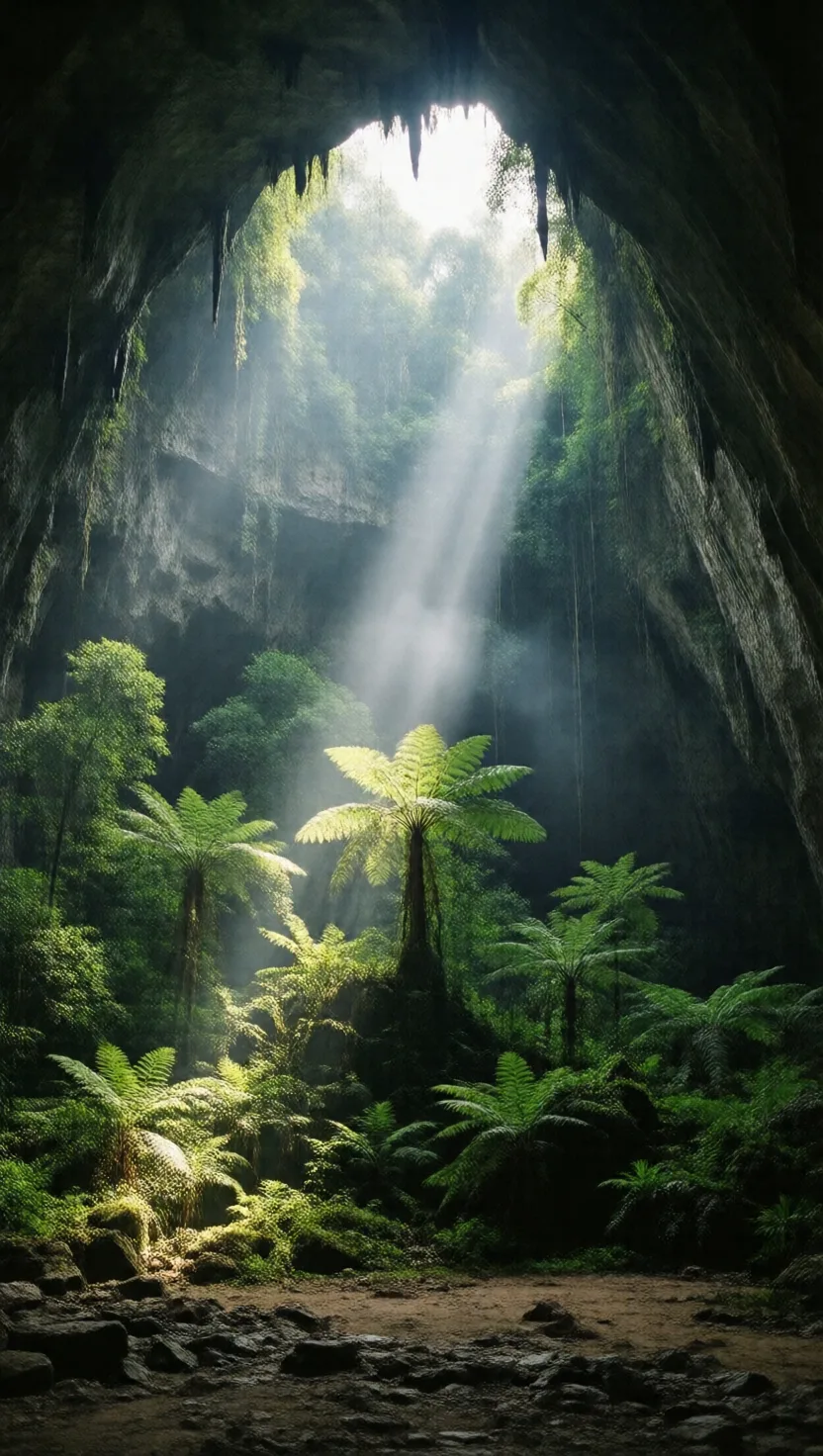
The largest cave passage on Earth runs more than 5 km long and rises up to 200 metres high and 150 metres wide, with a river roaring through the dark. Where the ceiling has collapsed, shafts of sunlight pour in and a full jungle grows on the cave floor. The temperature gap between the cool cave and the warm outside air condenses moisture into mist and clouds — the cave has its own weather.
Some cave crystals grow sideways, against gravity

Some cave crystals grow sideways, against gravity

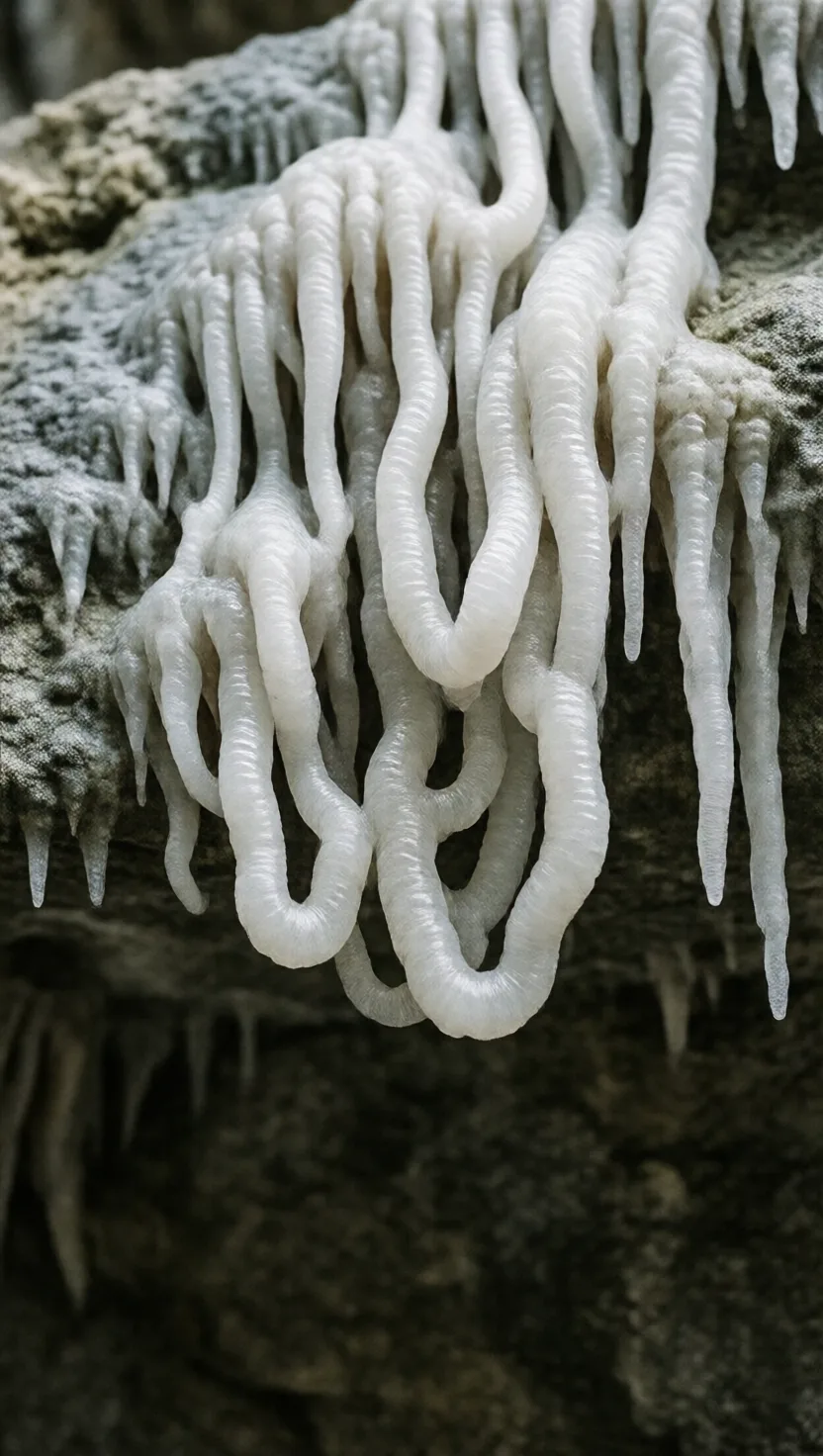
Ordinary stalactites hang straight down, obeying gravity. Helictites ignore it, twisting and curling in every direction as if grown in zero gravity. The leading explanation is capillary action: water seeps along a hair-thin internal channel, and at that tiny scale the pull of the water outmuscles gravity, depositing calcite wherever the droplet wanders. No theory yet explains them completely.
Caves grow pearls the same way oysters do

Caves grow pearls the same way oysters do

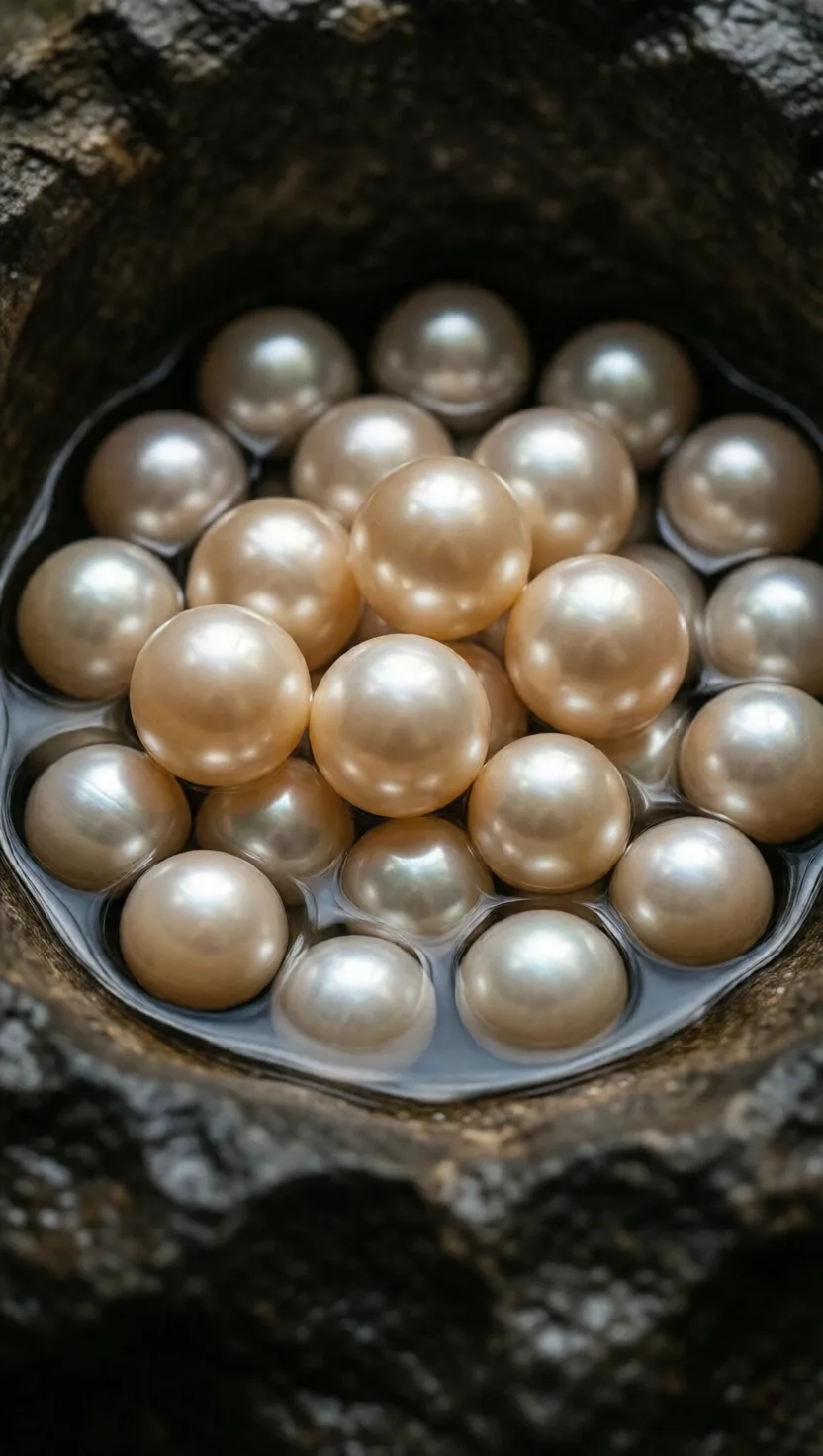
Where dripping water moves too briskly to build a stalagmite, it sets a speck of sand or grit rolling in a shallow stone basin. Each slow turn wraps the speck in another even layer of calcite, and over thousands of years concentric shells build up into a smooth sphere — the very same process that grows a pearl inside an oyster. A single pool can hold a whole nest of them.
A geode big enough to climb inside

A geode big enough to climb inside

Most geodes fit in your palm. This one, in southern Spain, is a crystal-lined cavity roughly 8 metres long that you can actually climb into, its clear selenite (gypsum) blades reaching up to 2 metres. It formed as mineral-rich water slowly cooled over ages, and it is the only giant geode in the world you can enter without special equipment — opened to visitors in 2019.
The word “fluorescent” is named after this stone

The word “fluorescent” is named after this stone

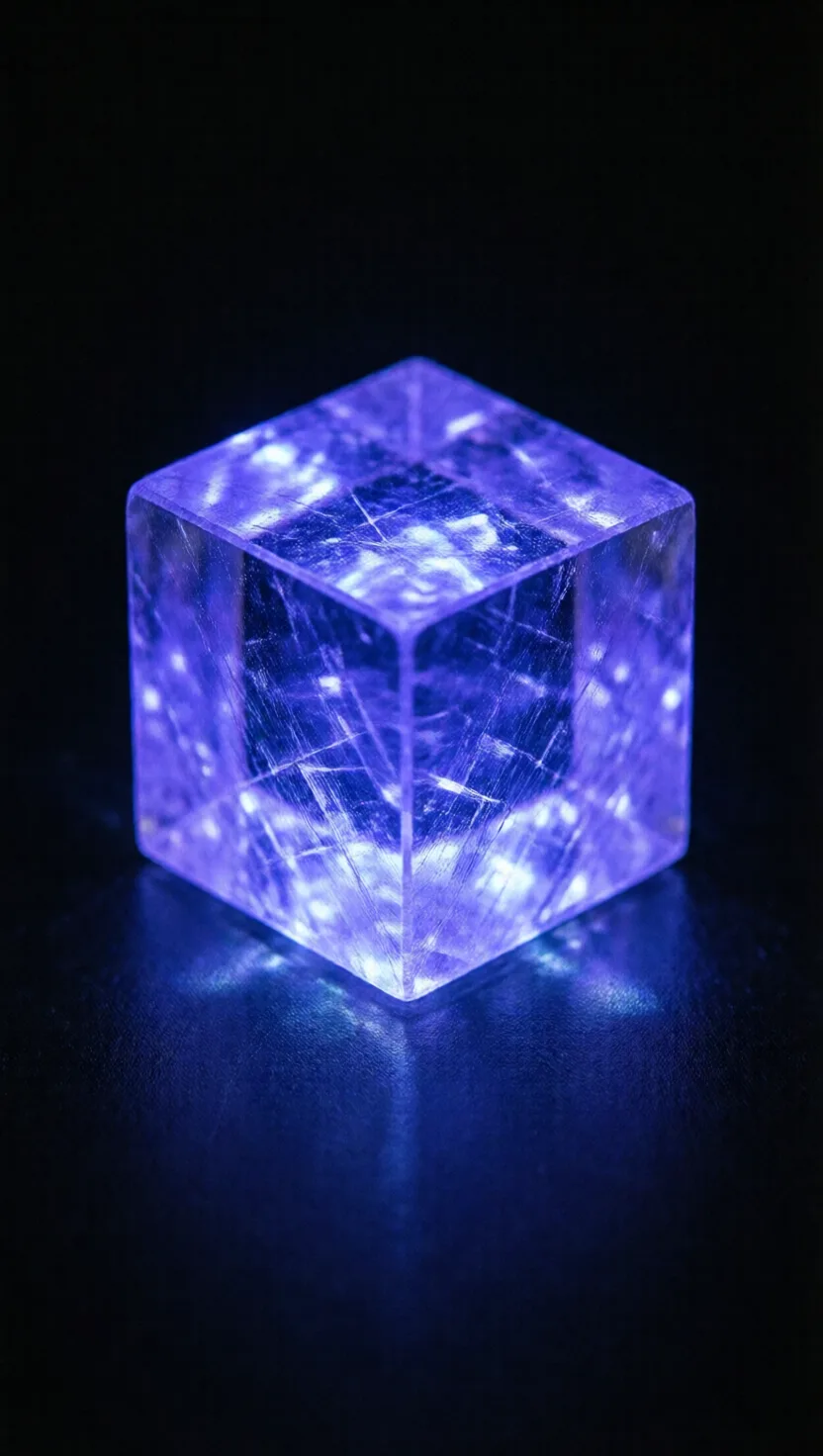
In 1852 the physicist George Stokes noticed that fluorite — also called fluor-spar — glowed blue-violet when lit by invisible ultraviolet rays. Needing a name for the effect, he coined “fluorescence” from the mineral, just as “opalescence” comes from opal. Every fluorescent lamp, glowing highlighter and forensic dye carries a name borrowed from this one humble crystal.
These blue marble caves were carved by lake waves

These blue marble caves were carved by lake waves

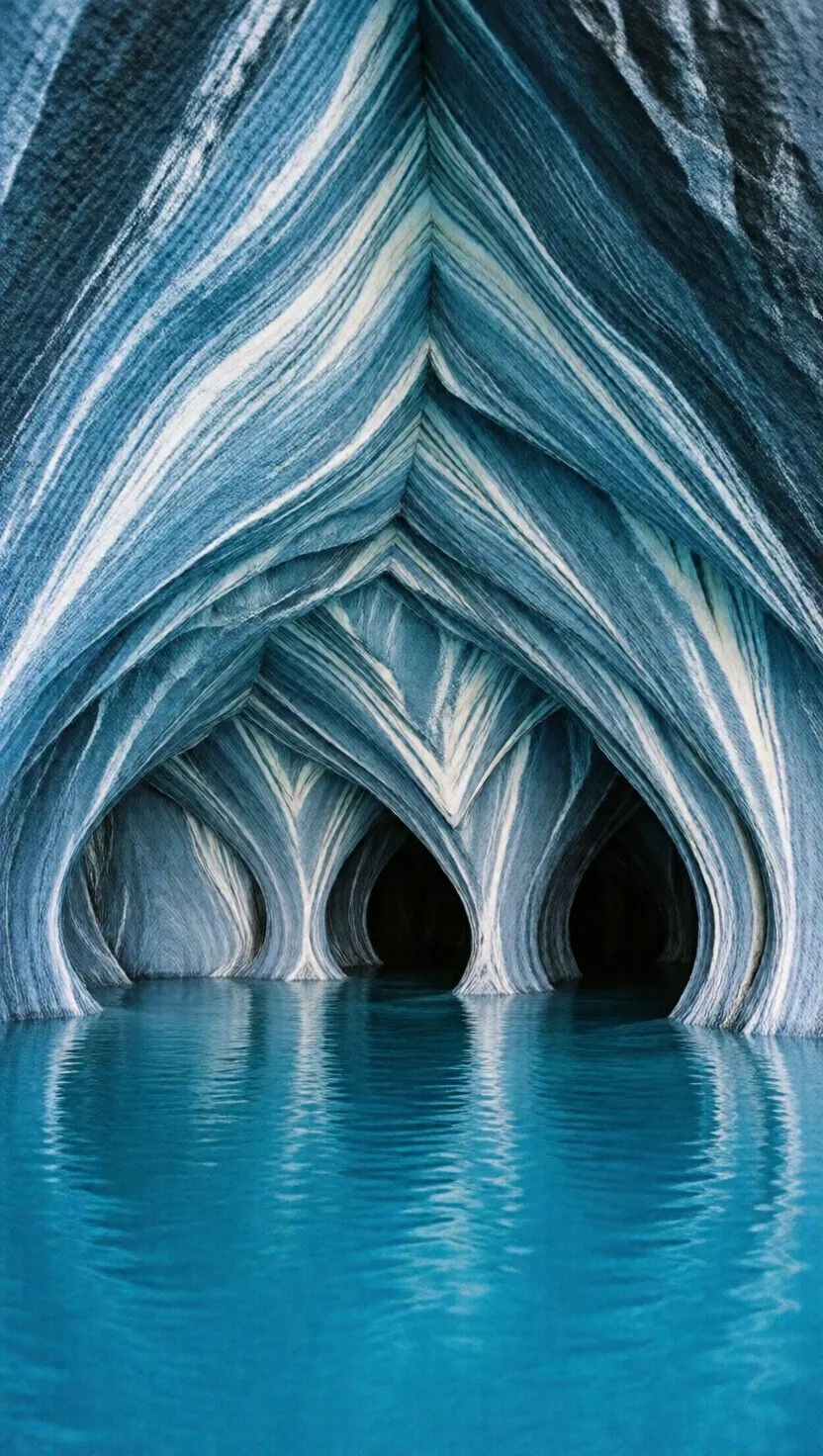
On a glacier-fed lake in Patagonia, more than 6,000 years of lapping waves have slowly dissolved and polished solid marble into smooth, swirling caverns. The walls aren’t painted: the blue is the lake’s mineral-rich, glacier-fed water reflecting onto pale marble, and the colour shifts through the year as the water level rises and falls.
tap →swipe ↑ for depthswipe ↓ to exit